Ever find yourself cooking the same five meals over and over? Yeah, me too. It’s easy to get stuck, especially when so many “new culinary methods” seem out of reach.
They often sound costly or too complex for a home cook. But they don’t have to be.
I’ve spent years diving into these methods, and I’m here to tell you: there’s a way to make them work in your kitchen. We’re talking about fusion cuisine techniques that can genuinely change how you think about food. Sounds impossible?
It’s not.
This article will break down these modern techniques into something you can actually use. You’ll discover how to raise your meals without blowing your budget or losing your mind. Get ready to rethink flavor and texture in ways you never thought possible.
What ‘New’ Really Means in the Kitchen: Beyond Foam
Let’s cut the crap. Innovation in the kitchen isn’t about turning your food into some science project. It’s about precision and control.
Think of it like moving from a flip phone to a smartphone. Sure, both make calls, but one opens a whole new world.
Take temperature control. Sous vide isn’t just fancy talk. It’s about cooking meat (or whatever you fancy) at the perfect temperature every time.
No more guessing games with the grill.
Then we’ve got flavor extraction. Rapid infusions can take your dish from bland to brilliant. It’s about pulling out every bit of taste from your ingredients.
Just like squeezing every drop out of a lemon.
Now, texture manipulation. Compressing foods can change how we experience them. It’s like finding a new dimension in something old.
This isn’t about fancy gimmicks but real change (and who doesn’t want that?).
It’s all in the dosage. Applying a specific method to get a specific outcome. You want those repeatable, impressive results.
These fusion cuisine techniques bridge culinary cultures, opening exciting doors. Check out how fusion cuisine bridging culinary cultures does this. It’s not just a trend.
It’s a shift in how we cook.
Sous Vide Secret: Beyond the Perfect Steak
Sous vide. It’s not just a fancy term chefs throw around to sound impressive. It’s cooking food sealed in a bag in a precisely controlled water bath.
Sounds simple, right? But the real magic lies beyond just nailing the perfect steak. It’s all about control and consistency.
Forget guesswork. You get the same results every time, whether it’s proteins, eggs, or vegetables.
Ever tried making custards or crème brûlée and ended up with scrambled eggs? Sous vide makes it foolproof. The texture?
Silky smooth. Want to impress with infused oils or alcohols? Just add fresh herbs and let sous vide do its thing in under an hour.
And those tough cuts of meat like chuck roast? They become fork-tender and flavorful.
Here’s a pro tip: think about exploring fusion cuisine blending traditional and modern flavors. Sous vide fits right into fusion cuisine techniques, offering a modern twist to traditional dishes.
Now, let’s talk about your first sous vide win. The juiciest chicken breast of your life. No kidding.
Just three steps: season, seal, set temp/time, and sear. That’s it. It’s that simple.
Once you try it, you won’t go back to guessing if your chicken is overcooked or dry.
Why stop at just the basics when there’s so much more you can do? The possibilities are endless. Sure, it’s a bit of an investment, but think of it as a ticket to culinary freedom.
You’re not just cooking; you’re crafting. So go ahead, dive into the world of sous vide. Your taste buds will thank you.
Flavor Hacking: Infusions & Fermentation Made Easy
Why just cook when you can create? That’s the magic of infusions and fermentation. Think of it as taking your cooking to the next level, where you’re not just following recipes but inventing flavors.
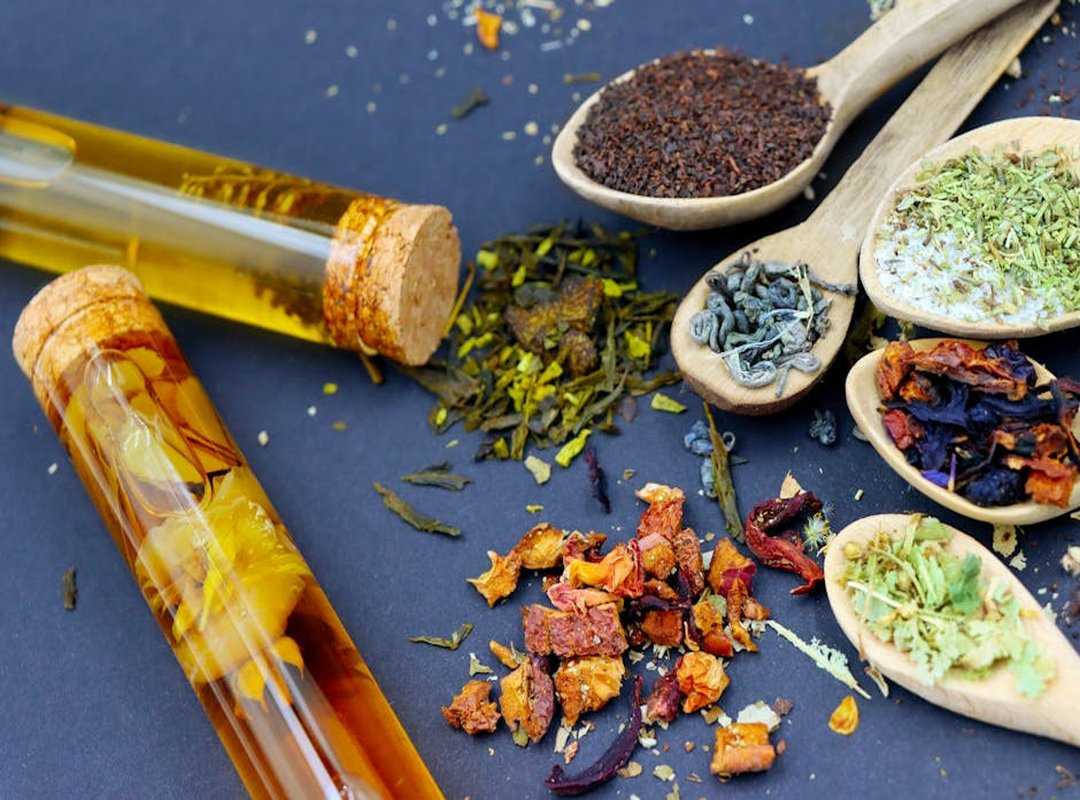
Let’s talk rapid infusion. Ever tried using a whipped cream canister with N2O chargers? It’s wild how it shoves liquid into solids, cranking out intense flavors in just minutes.
Picture this: making a spicy chili oil or a rosemary-infused simple syrup for your cocktails. It’s a game-changer. You can practically taste the difference as soon as you try it.
Then there’s fermentation, which might sound intimidating, but it’s not. It’s just a fancy word for controlled rotting (sounds worse than it is). Start small with a lacto-fermented hot sauce or quick pickled red onions.
All you need is salt and time. You get that deep umami flavor chefs rave about. Plus, it’s like a science experiment in your kitchen.
Compression is another trick up my sleeve. Using a vacuum sealer, you suck out the air and press an ingredient (like) watermelon (to) intensify its flavor and color. It’s a five-minute flavor booster that gives you a texture you didn’t think was possible.
These are just a few fusion cuisine techniques that can totally transform your cooking. They’re not just for the pros. We can all do this at home.
And if you’re into the art blending global spices, these techniques pair perfectly.
So, why not experiment a little? Get those N2O chargers, dive into some fermentation, and start compressing. You’ll be amazed at what you can create.
And who knows? You might just stumble upon your new favorite flavor. Bold flavors await.
The ‘Dosage’ Mindset: Combining Techniques for a Signature Dish
Fusion cuisine techniques are more than just a trendy phrase. They’re a way to transform your cooking into something truly special. Enter the concept of dosage fusion.
It’s all about combining methods with intention. Think of it like a well-rehearsed orchestra where each instrument plays its part perfectly.
So, what’s this ‘dosage’ business? It’s not complicated. It’s about applying a specific method or flavor in a precise, measured way to raise the entire dish.
Picture this: you start with a pork chop cooked perfectly via sous vide. Sous vide gives you that tender, juicy bite every time. Then, you whip up a quick, compressed apple and fennel slaw.
It’s crisp and bright, a contrast that just works.
Now, for the finishing touch: a drizzle of rapidly-infused sage brown butter oil. This isn’t about making your life harder. It’s about building layers of flavor and texture with purpose.
You’re creating a dish that’s uniquely yours. Got a favorite spice or herb? Try infusing it into oil for an unexpected twist.
Why stop at just good when you can be unforgettable? Think about it: each component is great on its own. But together, they sing.
That’s the magic of dosage fusion. It’s not just about eating. It’s about the experience, the story you tell with each bite.
Pro tip: don’t rush. Let flavors meld. Enjoy the process.
Discover New Flavors Today
Tired of the same meals? We all get stuck in a rut. You’ve taken a step forward by exploring fusion cuisine techniques.
These methods aren’t just fancy words; they’re practical, and they’re right here for you to use. Imagine the precision, the controlled creativity. How does that sound?
You’ve read this far because you’re ready to raise your cooking. So why not just dive in? Pick one technique.
Compress that fruit or go for a simple sous vide chicken. It’s not just about following recipes (it’s) about unlocking new culinary freedom.
This week, challenge yourself. Take that step. See what happens when you blend flavors like a pro.
You’re on the brink of something delicious. Don’t just read about it (do) it. Go on, your adventure awaits.

 Jexor Zolmuth writes the kind of modern food trends and insights content that people actually send to each other. Not because it's flashy or controversial, but because it's the sort of thing where you read it and immediately think of three people who need to see it. Jexor has a talent for identifying the questions that a lot of people have but haven't quite figured out how to articulate yet — and then answering them properly.
They covers a lot of ground: Modern Food Trends and Insights, Hidden Gems, Dosage Fusion Cuisine Explorations, and plenty of adjacent territory that doesn't always get treated with the same seriousness. The consistency across all of it is a certain kind of respect for the reader. Jexor doesn't assume people are stupid, and they doesn't assume they know everything either. They writes for someone who is genuinely trying to figure something out — because that's usually who's actually reading. That assumption shapes everything from how they structures an explanation to how much background they includes before getting to the point.
Beyond the practical stuff, there's something in Jexor's writing that reflects a real investment in the subject — not performed enthusiasm, but the kind of sustained interest that produces insight over time. They has been paying attention to modern food trends and insights long enough that they notices things a more casual observer would miss. That depth shows up in the work in ways that are hard to fake.
Jexor Zolmuth writes the kind of modern food trends and insights content that people actually send to each other. Not because it's flashy or controversial, but because it's the sort of thing where you read it and immediately think of three people who need to see it. Jexor has a talent for identifying the questions that a lot of people have but haven't quite figured out how to articulate yet — and then answering them properly.
They covers a lot of ground: Modern Food Trends and Insights, Hidden Gems, Dosage Fusion Cuisine Explorations, and plenty of adjacent territory that doesn't always get treated with the same seriousness. The consistency across all of it is a certain kind of respect for the reader. Jexor doesn't assume people are stupid, and they doesn't assume they know everything either. They writes for someone who is genuinely trying to figure something out — because that's usually who's actually reading. That assumption shapes everything from how they structures an explanation to how much background they includes before getting to the point.
Beyond the practical stuff, there's something in Jexor's writing that reflects a real investment in the subject — not performed enthusiasm, but the kind of sustained interest that produces insight over time. They has been paying attention to modern food trends and insights long enough that they notices things a more casual observer would miss. That depth shows up in the work in ways that are hard to fake.