
Ever feel like you’re drowning in a sea of “healthy” food trends? Every week there’s something new. One day it’s kale, then it’s quinoa.
Tomorrow, who knows? It’s hard to figure out what’s a passing fad and what’s actually worth your time. I’ve been obsessed with this stuff for years.
Not just the health headlines, but what it truly means for our plates. Does it even taste good? That’s what matters when you’re staring down a grocery aisle or planning a meal.
Here’s the plan: cut through the noise and get a real look at what’s happening in functional foods trends. We’ll dive into the flavors, the products, and how they show up in everyday life. No nonsense.
Just the facts you need to eat better.
Gut-Busting Trends: Fermentation and Fiber Frenzy
Everyone’s talking about gut health these days. And for good reason. It’s linked to everything from mood swings to your immune system.
But it’s not just about popping probiotics. It’s about flavor. Real flavor.
Think kimchi, sauerkraut, kombucha, and kefir. These are not just health foods. They’re bold, complex, and tangy.
Take kimchi, for instance. It’s not just a side dish anymore. It’s popping up in grilled cheese sandwiches, giving them a spicy kick.
Kombucha? Move over soda. It’s a cocktail mixer now or even a base for vinaigrettes.
These aren’t just trends; they’re revolutionizing how we think about food.
They’re shedding that boring reputation. Chefs and brands are stepping up, making them exciting. Using them in ways that make your taste buds sing.
But let’s not forget prebiotics. High-fiber foods are finally getting their moment too. Root vegetables, legumes, whole grains.
It’s more than health. It’s about adding complex, tangy, and savory flavors to your diet.
The beauty of these functional foods trends is how they’re reshaping the culinary world. They’re not just about wellness. They’re about taste.
About new experiences. About finding joy in what you eat. And let’s be real: who doesn’t want that?
If you’re curious about how food trends are changing our habits, check out the impact food delivery apps eating habits for more takeaways. You might just find your next favorite dish.
Plant-Based 2.0: Beyond Burgers and Faux Sausages
Remember the first wave of plant-based foods? The burgers that “bleed” and sausages that try too hard to taste like pork? It was fun, but let’s face it, we were just scratching the surface.
We’re now entering what I call Plant-Based 2.0. We’re not just imitating anymore; we’re celebrating the plants themselves. Forget trying to make a mushroom taste like a cow.
How about making it taste like the best mushroom you’ve ever had? Mushrooms, jackfruit, cauliflower. They’re not just playing second fiddle.
They’re the stars.
I’ll admit, I was skeptical at first. But then I tried a mushroom steak smoked to perfection. Wow.
The texture and flavor were game-changers.
By mastering techniques like smoking, slow-roasting, and searing, chefs are creating dishes that satisfy even the most die-hard carnivores. It’s not about imitation. It’s about transformation.
And it’s catching on fast. Check out any new menu. You’ll see jackfruit “pulled pork,” artfully charred cauliflower entrees, and mushroom “meatballs.” It’s a celebration, really, of what plants can do.
Another aspect to consider is the rise of functional foods trends. The focus is shifting not just to taste, but to nutrition and health benefits. Sometimes, the simplest ingredients bring the best surprises.
Want a peek into the future? Look at functional foods trends.
So, if you’re like me and thought plant-based foods couldn’t surprise you anymore, think again. The future is tastier, healthier, and purely plant-powered.
Functional Foods: Snacks That Do More
Functional foods are everywhere now. But what the heck are they? Basically, they’re foods infused with functional ingredients.
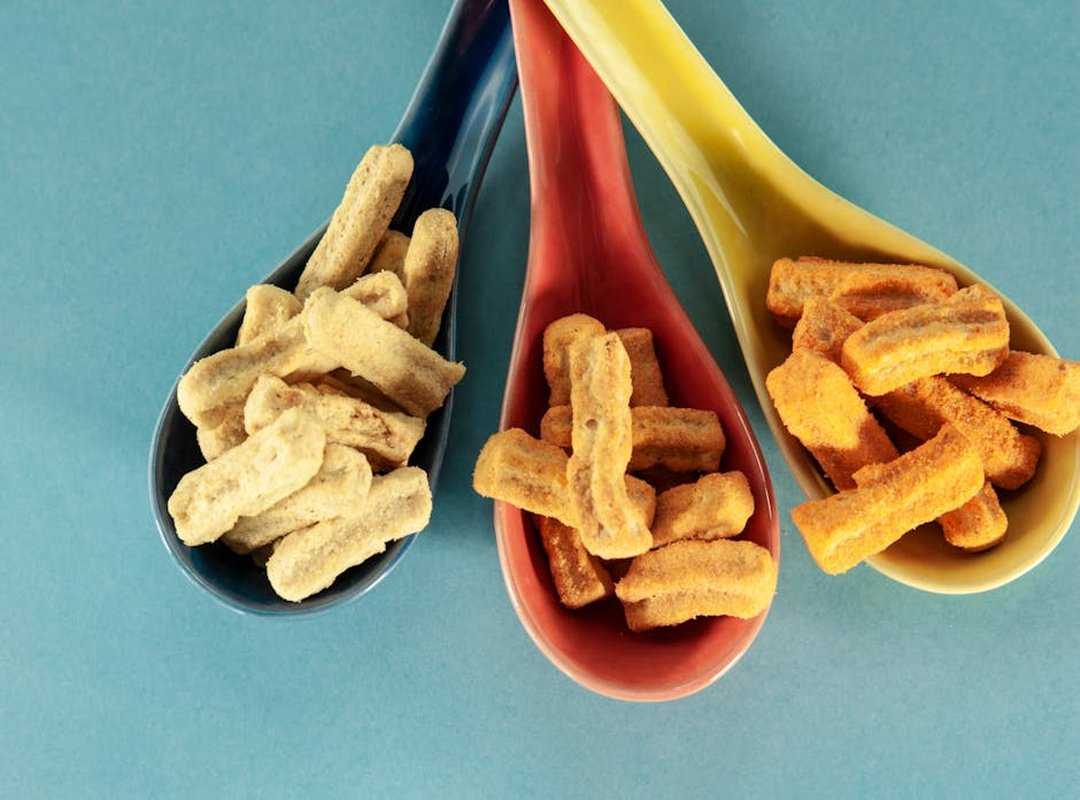
It’s not just about filling you up anymore; it’s about adding benefits beyond basic nutrition.
You’ve probably heard of adaptogens. They’re in everything from teas to chocolates these days. Adaptogens like ashwagandha help manage stress.
Nootropics, on the other hand, are all about brain power. Take Lion’s Mane mushroom. It’s said to boost focus.
Sounds like something from a sci-fi movie, right?
These ingredients are popping up in everyday products. Ever tried mushroom coffee? People swear by its earthy kick and clean energy.
Or maybe you’ve seen turmeric lattes on menus. They’re bright yellow but packed with anti-inflammatory properties. Chamomile-infused snack bars and CBD drinks are also making waves.
They’re all designed to help you chill or get focused depending on what you need.
So, does functional food taste good? That’s a mixed bag. Some of these ingredients can be bitter or earthy.
Companies are getting creative. They’re blending these strong flavors with more familiar ones to keep things tasty. It’s like a culinary balancing act.
Functional foods trends are part of a larger movement. We’re living hybrid foods fusion taking over is reshaping our plates. This is more than just a fad.
It’s about making every bite count. When your snack packs a punch with benefits, it’s a small victory. Who wouldn’t want that?
The New Sweet: Kicking Sugar Without Killing Flavor
So, you want to cut sugar but keep the taste? You’re not alone. There’s a big demand for lower-sugar and no-sugar-added products.
People are waking up to the health risks of sugar. But the question is, how do you do it without sacrificing flavor?
Enter the world of natural sweeteners. You’ve probably heard of monk fruit, allulose, and date syrup. Monk fruit and allulose are sweet without the calories.
They’re perfect for baking if you want to avoid that sugar crash. Date syrup adds a rich flavor, great for dressings or drizzling over pancakes. It’s all about finding the right balance.
But here’s the kicker: the rise of the “less sweet” trend in traditionally sweet categories. It’s fascinating to see how savory profiles are taking over. Think savory yogurts, like beet or carrot.
Black sesame or matcha desserts are another example. They offer depth and complexity without the sugar overload.
Snack bars are jumping on board too. Using spices like cinnamon and cardamom, they create a sense of sweetness without actual sugar. It’s a smart move and aligns perfectly with the current functional foods trends.
People want flavor, not sugar.
This shift might seem small, but it’s a game-changer. It challenges our taste buds and assumptions about sweetness. So, next time you’re shopping, maybe reach for that savory yogurt or spiced snack bar.
Your taste buds (and your waistline) will thank you.
Spice Up Your Plate with Health
Navigating functional foods trends can feel like a maze. But here’s the deal: adding flavor, function, and creativity to your meals isn’t hard. You don’t need to focus on what to cut out.
Think about what you can include. Fermented foods, whole-plant cooking, functional ingredients, and smart sweetness aren’t just buzzwords. They’re delicious ways to boost your health.
Feeling overwhelmed by food trends? This guide laid it out clearly. So, what are you waiting for?
Pick one trend to try this week. Buy a new product or experiment with an ingredient. You’ll see.
And taste (the) difference. Don’t just read about it. Make it happen.
Your plate deserves it. Ready to dive in? Let’s get cooking.
Call it flavor evolution. You call it dinner.

 Jexor Zolmuth writes the kind of modern food trends and insights content that people actually send to each other. Not because it's flashy or controversial, but because it's the sort of thing where you read it and immediately think of three people who need to see it. Jexor has a talent for identifying the questions that a lot of people have but haven't quite figured out how to articulate yet — and then answering them properly.
They covers a lot of ground: Modern Food Trends and Insights, Hidden Gems, Dosage Fusion Cuisine Explorations, and plenty of adjacent territory that doesn't always get treated with the same seriousness. The consistency across all of it is a certain kind of respect for the reader. Jexor doesn't assume people are stupid, and they doesn't assume they know everything either. They writes for someone who is genuinely trying to figure something out — because that's usually who's actually reading. That assumption shapes everything from how they structures an explanation to how much background they includes before getting to the point.
Beyond the practical stuff, there's something in Jexor's writing that reflects a real investment in the subject — not performed enthusiasm, but the kind of sustained interest that produces insight over time. They has been paying attention to modern food trends and insights long enough that they notices things a more casual observer would miss. That depth shows up in the work in ways that are hard to fake.
Jexor Zolmuth writes the kind of modern food trends and insights content that people actually send to each other. Not because it's flashy or controversial, but because it's the sort of thing where you read it and immediately think of three people who need to see it. Jexor has a talent for identifying the questions that a lot of people have but haven't quite figured out how to articulate yet — and then answering them properly.
They covers a lot of ground: Modern Food Trends and Insights, Hidden Gems, Dosage Fusion Cuisine Explorations, and plenty of adjacent territory that doesn't always get treated with the same seriousness. The consistency across all of it is a certain kind of respect for the reader. Jexor doesn't assume people are stupid, and they doesn't assume they know everything either. They writes for someone who is genuinely trying to figure something out — because that's usually who's actually reading. That assumption shapes everything from how they structures an explanation to how much background they includes before getting to the point.
Beyond the practical stuff, there's something in Jexor's writing that reflects a real investment in the subject — not performed enthusiasm, but the kind of sustained interest that produces insight over time. They has been paying attention to modern food trends and insights long enough that they notices things a more casual observer would miss. That depth shows up in the work in ways that are hard to fake.