Picture this: It’s been a long day. You’re tired, hungry, and the thought of cooking is unbearable. So, you grab your phone and order food with just a few taps.
Feels like magic, right? But have you thought about the food delivery impact on your favorite restaurants, your bank account, or even the environment?
This isn’t just another list of pros and cons. We’re diving deep into how this trend reshapes our food culture. I’m offering you more than just surface-level takeaways.
By the end, you’ll have a clearer understanding to make informed choices next time you reach for that app.
For You, the Customer: Convenience Comes at a Cost
Let’s get real. Food delivery is a game-changer. You’ve got a world of flavors just a tap away, and it’s saving hours.
That’s magic. But have you noticed the real price of convenience? It’s not a $15 meal anymore.
It’s more like $25 once you factor in service fees, delivery charges, and driver tips. Suddenly, the math doesn’t add up as nicely.
Here’s the thing: delivery can mess with your cooking skills too. Are we becoming detached from our food and overly dependent on takeout? You know what I’m talking about.
The temptation of convenience means less time spent in the kitchen and more time with soggy fries and lukewarm soup. Food that shines in a restaurant doesn’t always survive the car ride. We’ve all been there, right?
And there’s more. The food delivery impact on eating habits is not minor. It’s easy to fall into a pattern of ordering takeout every night.
A study reported that frequent takeout can lead to unhealthy eating habits and a disconnect from the food-making process.
But it’s not all bad. There is a silver lining. This rise of delivery services has also inspired a rise in functional foods diets, promoting healthier choices even in convenience.
It’s fascinating how food trends are evolving with our needs.
So, what are we doing with that extra time we’re supposedly saving? It’s worth asking. Are we just burning cash for convenience, or could we balance it better?
Behind the Kitchen Door: The Highs and Lows of Delivery Apps
Running a restaurant today feels like walking a tightrope. You want more customers, right? Delivery apps promise just that.
They’re this massive channel to connect with people too tired or busy to swing by for dinner. But there’s a catch. These apps take a staggering cut, sometimes 20-30% of each order.
I’ve seen small places buckle under that weight. Those fees can drain a restaurant’s already thin profit margins, leaving owners drowning in a sea of overhead expenses.
Now, let’s not forget about ghost kitchens. They’re kind of like ghost towns except busier and without tourists. No storefront.
Just a kitchen turning out food strictly for delivery. It’s a smart (some say genius) pivot for operators wanting to take advantage of on the food delivery impact. But operating without the ambiance of a bustling dining area can suck the joy out of cooking.
Plus, they’re still at the mercy of those hefty app fees.
If you’re thinking that’s the only impact, think again. Delivery apps are forcing a real change in what we eat. Restaurants now need to consider how their dishes survive the journey to your door.
So forget about that delicate soufflé. It’s all about grub that travels well now. Burgers, pizza, and other comfort foods are in (think of the last time you ordered sushi and actually got it looking pretty).
This shift means chefs often compromise on creativity. Imagine crafting a menu not based on passion but practicality.
Why do we put up with it, you ask? Good question. The truth is, the food delivery impact on the industry is impossible to ignore.
We crave convenience. We want food in the comfy confines of our homes. And we’ll pay for it.
Even if it means mom-and-pop joints struggle a little more. My advice? Support your local restaurants directly.
Pick up the phone. Order straight from them. It saves them from handing over a chunk of their earnings to an app (and you get to ask for extra pickles without feeling guilty).
The Gig Economy: Drivers and Community Impact
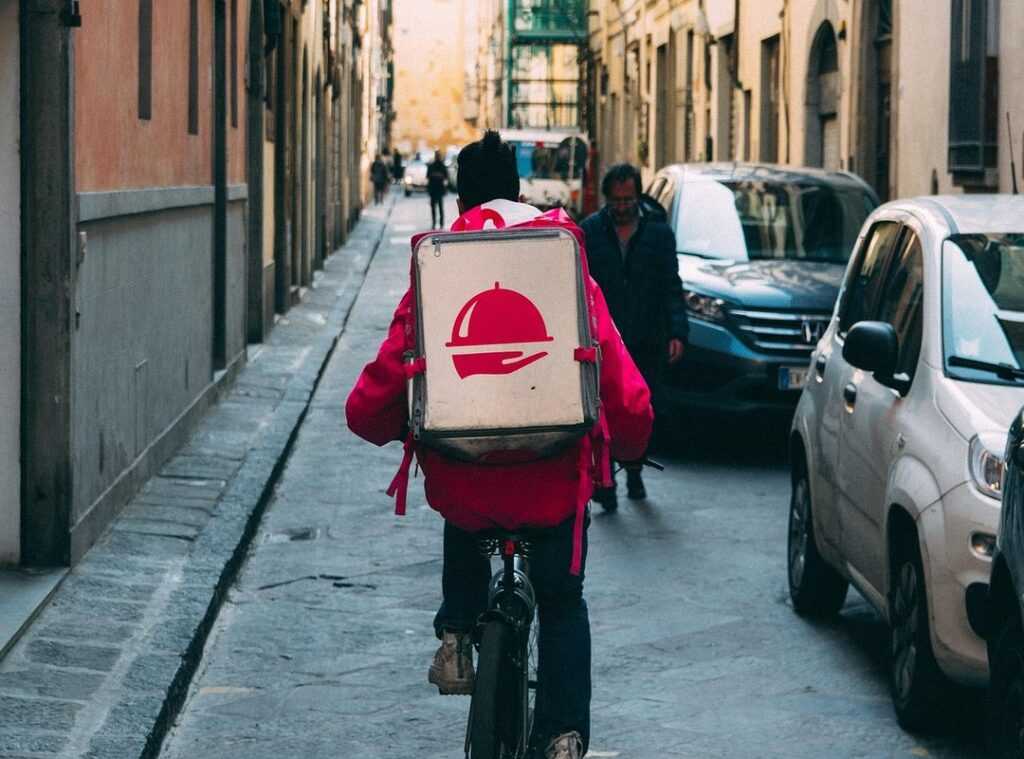
The gig economy is a wild ride, especially for delivery drivers. They’re independent contractors, not employees, which means they’re their own bosses. Sounds great, right?
Flexibility is a big draw (you) work when you want. But, there’s a downside. No benefits, unstable pay, and your car becomes your office.
Now, about the local economy. When you order through a national delivery app, does that money stay in your community? Nope.
Ever thought about what constant driving does to a vehicle? It’s rough.
It often flows right out. In contrast, ordering directly from a local restaurant keeps money circulating locally. Plus, it supports smaller businesses.
It’s like choosing between a chain and a mom-and-pop shop. You know that warm feeling you get supporting the underdog? That’s what happens when you skip the app.
Here’s a twist: the rise of delivery apps concentrates business on a few popular spots. The ones that can afford to be listed. Smaller neighborhood spots?
They might not make the cut. This can hurt them, leaving them in the dust while the big guys rake it in. Does that sound fair?
Not to me.
On a brighter note, the gig economy has sparked creativity in food. Ever heard of Boom Zero Waste Cooking? It’s part of the modern culinary pulse, making use of every scrap.
It’s fascinating how trends shift and evolve. So, what’s the ultimate food delivery impact? It’s a mixed bag (flexibility) for drivers, challenges for small businesses, and a reshaping of local economies.
Unpacking the Hidden Footprint: Environment and Health
You can’t ignore the food delivery impact on the environment. Every time you order, it’s like inviting a parade of single-use packaging. Plastic containers, bags, utensils, condiment packets.
They pile up and make you wonder, where does all this trash end up? It’s a nightmare for our planet, and yet, we keep doing it.
And let’s talk about the carbon footprint. Ever sat in traffic and watched a scooter zip by with a steaming hot pizza? Each delivery means another vehicle on the road, spewing emissions into the air.
Multiply that by thousands of orders in any city and you see the problem isn’t just convenience. It’s congestion and pollution.
But there’s more. Ever noticed how easy it is to order greasy takeout instead of cooking? That convenience shifts our eating habits, nudging us towards calorie-packed meals.
It’s not just an environmental issue; it’s health too. We might be sacrificing fresh, home-cooked meals for the allure of fast delivery.
Does this mean we should stop ordering food? Maybe not entirely, but we need to be conscious. Next time, think about it.
Is the convenience worth the cost? The environment and your health might say otherwise.
Choose Your Meal, Choose Your Impact
Every time you order, you’re part of a bigger story. Your choices echo through restaurants, workers, and yes, our planet. It’s not about giving up delivery (let’s be real, that’s not happening), but about making smarter choices.
Want to lessen your food delivery impact? Try ordering directly from the restaurant’s site. Pick places with sustainable packaging.
Planning a group meal? Consolidate orders with friends or family. The power is in your hands.
Ready to make a difference? Start now. Your next meal can be more than just dinner.
It can be a step toward change. Call your favorite restaurant today.

 Jexor Zolmuth writes the kind of modern food trends and insights content that people actually send to each other. Not because it's flashy or controversial, but because it's the sort of thing where you read it and immediately think of three people who need to see it. Jexor has a talent for identifying the questions that a lot of people have but haven't quite figured out how to articulate yet — and then answering them properly.
They covers a lot of ground: Modern Food Trends and Insights, Hidden Gems, Dosage Fusion Cuisine Explorations, and plenty of adjacent territory that doesn't always get treated with the same seriousness. The consistency across all of it is a certain kind of respect for the reader. Jexor doesn't assume people are stupid, and they doesn't assume they know everything either. They writes for someone who is genuinely trying to figure something out — because that's usually who's actually reading. That assumption shapes everything from how they structures an explanation to how much background they includes before getting to the point.
Beyond the practical stuff, there's something in Jexor's writing that reflects a real investment in the subject — not performed enthusiasm, but the kind of sustained interest that produces insight over time. They has been paying attention to modern food trends and insights long enough that they notices things a more casual observer would miss. That depth shows up in the work in ways that are hard to fake.
Jexor Zolmuth writes the kind of modern food trends and insights content that people actually send to each other. Not because it's flashy or controversial, but because it's the sort of thing where you read it and immediately think of three people who need to see it. Jexor has a talent for identifying the questions that a lot of people have but haven't quite figured out how to articulate yet — and then answering them properly.
They covers a lot of ground: Modern Food Trends and Insights, Hidden Gems, Dosage Fusion Cuisine Explorations, and plenty of adjacent territory that doesn't always get treated with the same seriousness. The consistency across all of it is a certain kind of respect for the reader. Jexor doesn't assume people are stupid, and they doesn't assume they know everything either. They writes for someone who is genuinely trying to figure something out — because that's usually who's actually reading. That assumption shapes everything from how they structures an explanation to how much background they includes before getting to the point.
Beyond the practical stuff, there's something in Jexor's writing that reflects a real investment in the subject — not performed enthusiasm, but the kind of sustained interest that produces insight over time. They has been paying attention to modern food trends and insights long enough that they notices things a more casual observer would miss. That depth shows up in the work in ways that are hard to fake.