Imagine that moment when you take a bite and every flavor hits just right. It’s like a melody in your mouth. We’ve all been there (stuck) making bland meals or too scared to stray from the recipe.
I get it, and it’s frustrating.
But what if I told you there’s a way to open up those magical bites yourself? This isn’t just about following a recipe. It’s about embracing flavor pairing techniques.
I’m talking about the strategies chefs use to make food unforgettable.
I’ve dug deep into culinary science and my own obsession with why some flavors just work. By understanding these core taste strategies, you’ll raise your cooking game from just good to absolutely spectacular. Get ready to create pairings that sing.
Your Flavor Compass: Mastering the 5 Core Tastes
Let’s talk flavor. The five core tastes. Sweet, Sour, Salty, Bitter, and Umami (are) your Flavor Compass.
This isn’t just for foodies. It’s for anyone who wants to make their meals sing.
Sweet. It’s the comforting hug we all crave. Think of honey drizzled over hot pancakes.
But sweet can be more than a sugar rush. It balances a tangy vinaigrette or a spicy chili. It’s like that catchy chorus in a pop song you can’t get out of your head.
Sour. It’s the zing that wakes up your taste buds. A squeeze of lime on your taco, a dash of vinegar in your salad.
You know that face you make? Yeah, that’s the magic. It cuts through richness like a knife through butter.
Salty. The universal enhancer. It makes flavors pop!
Ever tried fleur de sel on a caramel chocolate tart? It’s a game changer. Salt deepens, it highlights.
Bitter. Often misunderstood. The taste of coffee, dark chocolate.
It’s simple but mighty.
It’s complex. It intrigues. It’s the plot twist in a good book.
Bitter adds depth, it challenges the palate.
Umami. The savory sensation. It’s that rich, meaty satisfaction.
Learn more from unlocking umami fifth taste. It rounds out flavors, it comforts. It’s the unexpected friend who brings everyone together.
Balance is key in flavor pairing techniques. A squeeze of lemon here, a pinch of salt there. You’re not just cooking.
You’re creating harmony. Each taste has a role, and when they work together, magic happens.
The Art of Pairing: Classic Comfort to Daring Delights
Pairing flavors isn’t just an art; it’s a science. And it starts with balancing core tastes. When you dive into complementary pairing, you’re matching ingredients with similar flavor compounds.
It’s like a comforting hug in food form. Roasted pork and apple? That’s a classic for a reason.
The sweetness of the apple complements the savory richness of the pork. Then there’s tomato and basil. These two are soulmates in the culinary world.
They blend seamlessly, each enhancing the other’s natural flavors. And let’s not forget mushroom and thyme. The earthy mushroom and aromatic thyme create a deeply satisfying dish that feels like home.
But what if you want to shake things up? Enter contrasting pairing. This is where the excitement happens.
It’s about bringing together opposites to create a unique sensation on the palate. Think spicy mango and cool avocado. That heat from the mango paired with the creamy, soothing avocado?
It’s a fiesta in your mouth. Or try salty prosciutto with sweet melon. The saltiness cuts through, while the melon brings a refreshing sweetness.
Why do these pairings work so well? It’s all about the dance of flavors. Complementary pairs offer comfort and familiarity, while contrasting ones surprise and excite.
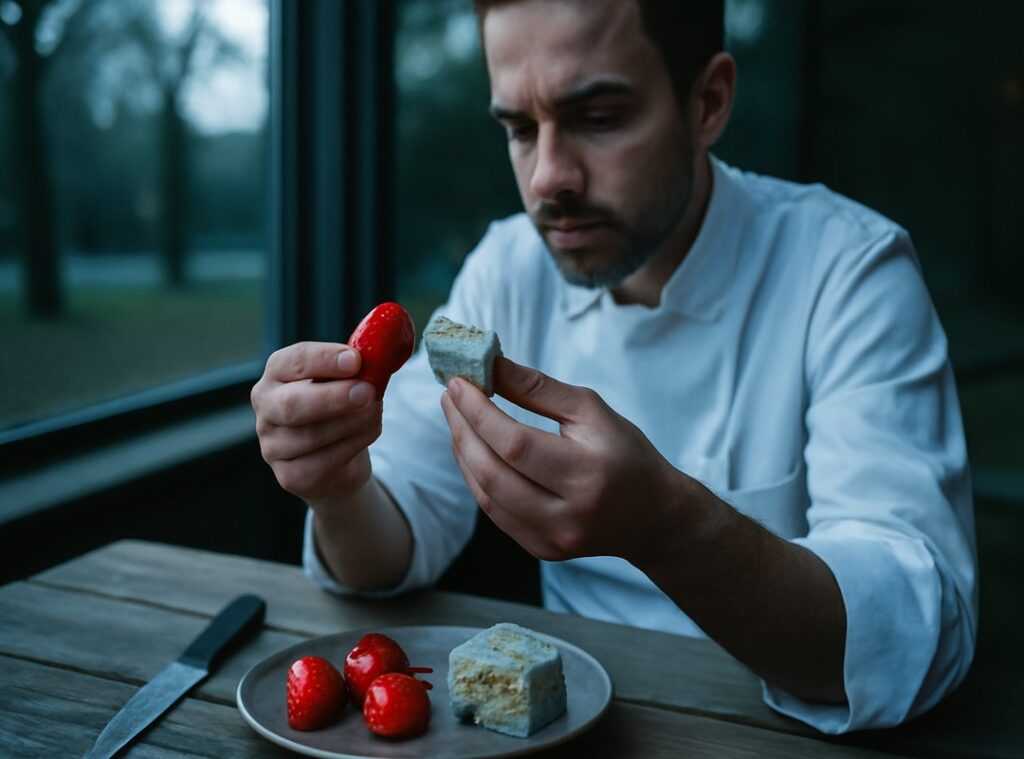
It’s unexpected yet delightful. And for the adventurous, rich blue cheese with crisp pear. The sharpness of the cheese against the clean, juicy pear creates a tension that resolves beautifully with every bite.
If you’re curious about diving deeper into the world of flavor pairing techniques, there’s a lot more to explore. There are no limits to what you can create. So next time you’re cooking, think about what kind of experience you want on the plate.
Comfort or surprise? Both have their place at the table.
More Than a Mouthful: The Power of Aroma and Texture
Let’s talk about flavor pairing techniques. You know it’s not just about taste, right? Flavor is a multi-sensory blast.

Here’s the thing: most of what you think is taste is actually smell. Yeah, the magical aroma of searing garlic or fresh mint. It hits your nose and bam, it’s like culinary fireworks.
Ever noticed how the scent of toasted spices makes your mouth water even before you take a bite?
But let’s not forget texture. Texture is the unsung hero of any dish. I mean, sure, you’ve got flavor, but without texture, where’s the fun?
A great dish dances with texture. The crunch of toasted nuts on creamy soup? That’s satisfaction in a spoon.
How about the snap of fresh veggies against the soft whisper of stir-fry noodles? Or the chewy delight of crusty bread paired with luscious burrata? These combinations make every bite an exciting experience.
It’s like when you’re eating something and you realize it’s the texture that keeps you coming back for more. You ever bite into a croissant and feel that layered crunchiness, so delicate yet strong? That’s texture working its magic.
If you’re a fan of exploring the browning secret depth flavor, you know that texture and aroma can raise a dish to a whole new level. More than just a taste, it becomes an experience.
So next time you cook or even eat, pay attention to these textures and aromas. They make the difference between a good meal and an unforgettable one. Let them lead you into the wild world of flavors.
Your Flavor Playground: Simple Strategies to Start Now
to flavor pairing techniques. First up: “What Grows Together, Goes Together.” This rule makes sense, right? Think of the Mediterranean.
Tomatoes, basil, and olive oil just belong together. They share the same soil, the same sun. This harmony is nature’s gift to your taste buds.
Add it to a pizza with spicy chili and sharp cheese. Suddenly, they stop fighting and start dancing. Honey’s sweetness ties everything together in a way you never knew you needed.
Next, we have the “Flavor Bridge.” Ever thought of using a third ingredient to connect flavors? It’s like a culinary peacekeeper. Take honey, for example.
Finally, let’s talk about amplifying with a finishing touch. This is where you turn good into unforgettable. A drizzle of high-quality olive oil, a sprinkle of flaky sea salt, or even a zest of lemon can transform your dish.
Seen any episode of a cooking show lately? (The chefs do this all the time.) It’s the secret move they don’t always tell you about.
So why wait? Start experimenting in your kitchen. Use these three strategies and watch your dishes transform.
Your taste buds will thank you. Don’t just cook. Create magic on your plate.
Dive Into Your Culinary Playground
You’ve got the basics down. You know the core tastes, pairing strategies, and the magic of texture and aroma. No more fear in the kitchen.
These flavor pairing techniques are your reliable toolkit for culinary creativity. Why not challenge yourself? Pick a plan from the ‘Flavor Playground’ and spin it into your next meal.
Your taste buds deserve this adventure. Ready to be the chef of your own story? Unleash your inner gourmet.
Visit yanidosage.com to explore more. They’re the top source for everything bold and flavorful. So, what are you waiting for?
Get cooking!

 There is a specific skill involved in explaining something clearly — one that is completely separate from actually knowing the subject. Michaelgelo Urbinara has both. They has spent years working with modern food trends and insights in a hands-on capacity, and an equal amount of time figuring out how to translate that experience into writing that people with different backgrounds can actually absorb and use.
Michaelgelo tends to approach complex subjects — Modern Food Trends and Insights, Kitchen Prep Hacks, Dosage Fusion Cuisine Explorations being good examples — by starting with what the reader already knows, then building outward from there rather than dropping them in the deep end. It sounds like a small thing. In practice it makes a significant difference in whether someone finishes the article or abandons it halfway through. They is also good at knowing when to stop — a surprisingly underrated skill. Some writers bury useful information under so many caveats and qualifications that the point disappears. Michaelgelo knows where the point is and gets there without too many detours.
The practical effect of all this is that people who read Michaelgelo's work tend to come away actually capable of doing something with it. Not just vaguely informed — actually capable. For a writer working in modern food trends and insights, that is probably the best possible outcome, and it's the standard Michaelgelo holds they's own work to.
There is a specific skill involved in explaining something clearly — one that is completely separate from actually knowing the subject. Michaelgelo Urbinara has both. They has spent years working with modern food trends and insights in a hands-on capacity, and an equal amount of time figuring out how to translate that experience into writing that people with different backgrounds can actually absorb and use.
Michaelgelo tends to approach complex subjects — Modern Food Trends and Insights, Kitchen Prep Hacks, Dosage Fusion Cuisine Explorations being good examples — by starting with what the reader already knows, then building outward from there rather than dropping them in the deep end. It sounds like a small thing. In practice it makes a significant difference in whether someone finishes the article or abandons it halfway through. They is also good at knowing when to stop — a surprisingly underrated skill. Some writers bury useful information under so many caveats and qualifications that the point disappears. Michaelgelo knows where the point is and gets there without too many detours.
The practical effect of all this is that people who read Michaelgelo's work tend to come away actually capable of doing something with it. Not just vaguely informed — actually capable. For a writer working in modern food trends and insights, that is probably the best possible outcome, and it's the standard Michaelgelo holds they's own work to.