
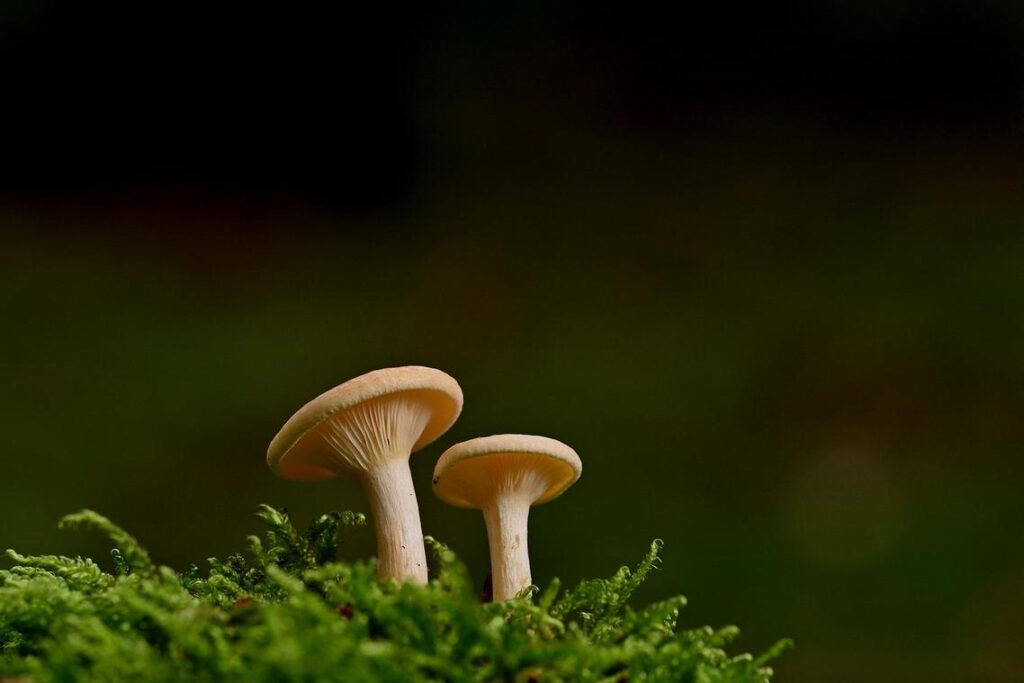
You’ve probably noticed it too—mushrooms are everywhere lately. Not just tossed on pizzas or hidden in stir-fries, but front and center on menus, in meal kits, and splashed across your favorite food blogs.
So what’s going on?
The mushroom food trend is more than a fad. From lion’s mane to maitake, chefs and home cooks alike are unlocking bold new dimensions of flavor, texture, and nutrition you simply can’t get from the basic white button mushroom.
This article breaks down why mushrooms are taking over your kitchen—and more importantly, how to make the most of them.
We’ve tested dozens of cooking methods and varieties to bring you clear, practical ways to select, prep, and cook mushrooms that actually elevate your meals. Whether you’re a seasoned food lover or just tired of the same old ingredients, this guide will give you everything you need to cook smarter and tastier with mushrooms, starting today.
The Three Pillars of the Mushroom Boom: Health, Flavor, and Sustainability
Let’s be honest — mushrooms used to be the quiet kid on the produce shelf. Now? They’re having a full-blown moment.
The Wellness Factor
Mushrooms are no longer just a stir-fry sidekick. They’re now a nutritional powerhouse, packed with B vitamins, potassium, and antioxidants that support everything from energy production to immune function. Plus, the rise of interest in functional mushrooms like lion’s mane and reishi (hello, adaptogens) shows we’re craving benefits beyond the plate. (But no, they’re not magic — at least not the legal ones.)
The Umami Revolution
That deep, savory punch mushrooms bring? That’s umami — the elusive fifth taste. Swapping meat for mushrooms doesn’t just lighten your plate — it elevates flavor. Think portobello burgers, shiitake ramen, even mushroom jerky. It’s a plant-based win that satisfies carnivore cravings. (Pro tip: Sauté mushrooms until they squeak — that’s when the umami peaks.)
The Eco-Friendly Choice
Here’s the sustainability mic drop — mushrooms use far less water, land, and energy than most protein sources. Compared to beef production, mushroom farming is practically low-impact fine art. For those embracing eco-conscious diets, mushrooms aren’t just better — they’re smarter.
In short, the mushroom food trend isn’t hype — it’s legit nourishment with benefits that hit every pillar: wellness, taste, and planet.
Your Culinary Guide: Exploring Mushroom Varieties Beyond the Basics
Let’s bust a myth right out of the pan: Not all mushrooms taste the same, and they’re definitely not just filler for vegetarian dishes.
In fact, betting on the same ol’ white button mushrooms is like ordering plain toast at a five-star brunch. Safe, sure—but also a little sad.
Let’s go off-script.
Meaty & Robust (The Steak Stand-ins)
First, let’s talk Portobello and King Oyster. Common wisdom treats these two as novelty meat substitutes. But here’s the twist—they aren’t pretending to be meat. They’re just really good at being themselves.
Portobellos, with their broad caps and juicy heft, shine on the grill. Don’t just slap one in a bun—marinate it first and build a “steakhouse” stack with roasted tomatoes and chimichurri. King Oysters? Slice them into coin-sized “scallops,” sear them hard, and plate with a buttery miso glaze. Trust me, even die-hard seafood fans blink twice.
Pro tip: Score the stems of King Oysters before cooking. Texture-wise, it’s like flipping a switch.
Delicate & Nuanced (The Flavor Accents)
Maitake and Beech mushrooms are underrated. Why? Because they don’t shout—they whisper in umami.
Maitake (aka Hen-of-the-Woods) brings nutty, woodsy tones when crisped up in butter. Toss it on a risotto, and the dish suddenly has depth. Beech mushrooms, with their peppery snap, love a quick sauté—plated with eggs or piled on toast, they elevate almost anything without overpowering it.
Earthy & Versatile (The Workhorses)
Shiitake has a cult following—and for good reason. Smoky, earthy, and rich even in dried form, it’s a flavor bomb. But here’s the contrarian take: Cremini pulls more than its weight too.
Often dismissed as “baby bellas” or just a step up from button mushrooms, Cremini mushrooms deserve better PR. They sauté beautifully, hold up in stews, and don’t hog the spotlight from other ingredients. In a mushroom food trend obsessed with rarity, versatility often gets ignored.
Sometimes the best mushrooms aren’t the rarest. They’re the ones that just work.
Flavor Concepts: How to Pair and Cook Mushrooms for Maximum Impact
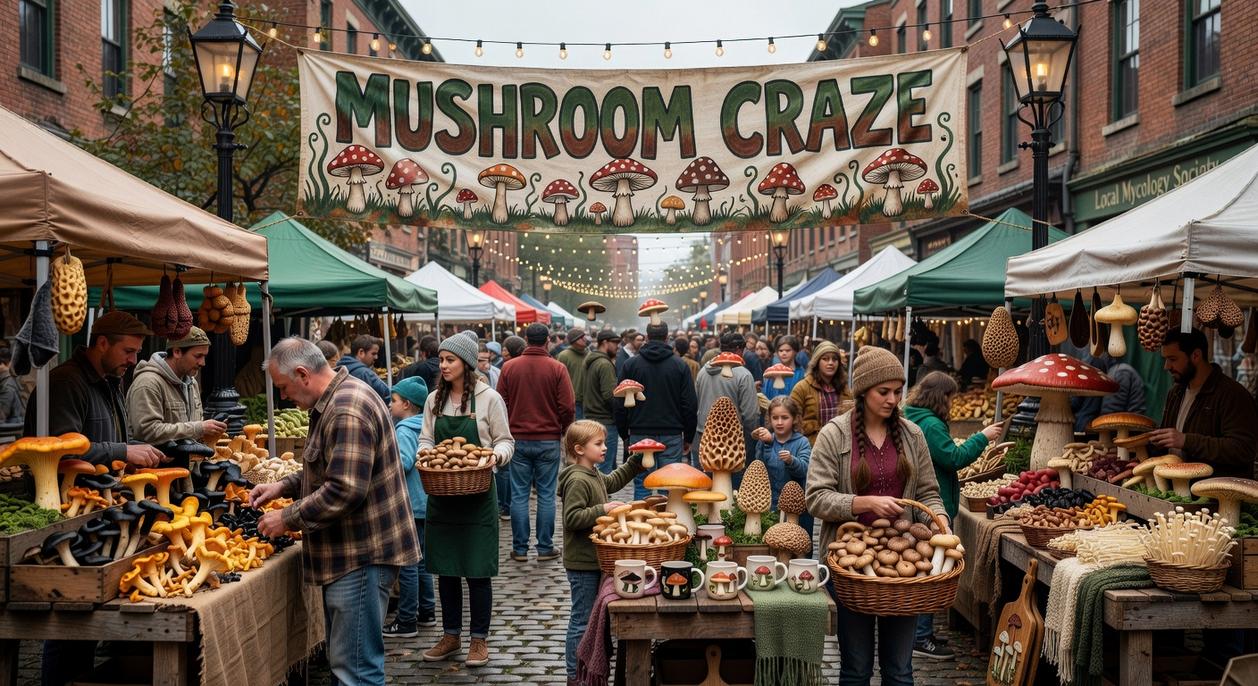
Let’s get this out of the way: Yes, everyone talks about not crowding the pan when cooking mushrooms. But they often miss why it matters—mushrooms are mostly water, and if you crowd them, they steam instead of brown. (Translation: you’ll get soggy sadness instead of golden umami bombs.)
The real pro move? Heat that pan till it practically whispers, “I’m ready.” Add mushrooms in batches, resist the urge to stir constantly (let them sit and caramelize), and only toss in aromatics like garlic and shallots after browning. This sequence unlocks depth that’s usually reserved for restaurant kitchens.
Now, let’s talk about roasting. Here’s something most guides skip: not all mushrooms roast equally. Dense varieties like Portobello and Maitake thrive at 425°F and above, developing a meaty chew and concentrated flavor. Pairing them with hardy herbs like thyme and rosemary transforms them into umami powerhouses. (Side note: Maitakes with rosemary and roasted grapes? That’s your new dinner party flex.)
But the underrated MVP? Dried mushrooms. Competitors barely scratch the surface here. Rehydrating dried porcini in hot water creates a double win—the mushrooms and the soaking liquid become flavor gold. Add the broth to risottos or braises for an instant depth charge.
Of course, not all mushrooms need heat. Button and cremini mushrooms, when thinly sliced, can go raw—especially with a quick lemon juice and olive oil marinade. They soften slightly, get bright, and land somewhere between salad and antipasto.
And amidst the ever-evolving mushroom food trend, mastering these techniques means your cooking doesn’t just join the movement—it leads it.
ai in the kitchen the future of recipe development
Essential Kitchen Prep Hacks for Perfect Mushrooms Every Time
Mushrooms can make or break a dish—earthy, meaty, and oh-so-versatile. But only if you prep them right. Here’s how to get it perfect, every time:
-
To Wash or Not to Wash?
Yes, you can rinse mushrooms—quickly. A light, fast rinse followed by a pat dry keeps flavor intact. Just don’t soak them (they drink water like it’s happy hour). -
Storage Smarts
Ditch the plastic. Use a paper bag to let mushrooms breathe. Trapped moisture = slimy caps. Breathability is essential. -
Slicing for Texture
Cutting thick? Expect chewy, meaty bites (great in pastas). Thin slices? They’ll crisp and shrink faster—ideal for sautés or pizza toppings.
Pro Tip: Stems are flavorful too—don’t toss them!
With the mushroom food trend gaining traction on menus everywhere, perfecting your prep game is a must.
Embrace the Fungi in Your Food
For too long, your meals may have revolved around the same familiar ingredients—white buttons, creminis, maybe the occasional Portobello. But the mushroom food trend is changing everything.
You came here wondering how mushrooms could bring something new to your table, and now you know: these fungi are packed with flavor, variety, and surprising versatility. From umami-rich Shiitakes to floral, earthy Maitakes, there’s a whole culinary dimension waiting to be explored.
Don’t stay stuck in a flavor rut. You’ve seen how mastering a few simple techniques opens the door to elevated, effortless meals.
Here’s your next step: Roast a Maitake or grill a Portobello this week. Break out of the bland, and taste what the mushroom food trend is really about.
Thousands of food lovers are already rediscovering their kitchens—now it’s your turn.

 Matthew Gordonidels is a dedicated food writer at yanidosage, passionate about sharing creative recipes, cooking techniques, and kitchen tips that make home cooking enjoyable and accessible. His content focuses on practical guidance, flavor combinations, and easy-to-follow meal ideas designed for everyday cooks who want delicious results without complexity.