We’ve all been there, scrolling endlessly through the same tired delivery apps or cooking those five recipes on autopilot. It’s a rut, plain and simple. But what if I told you there’s a whole world out there of underrated regional cuisines waiting to be explored?
This isn’t about those flashy, trendy food blogs. We’re diving into hidden gems that offer a true punch of flavor.
My love for culinary anthropology fuels this journey. Seeing food as a story of place and people, not just fuel. You’ll walk away with a fresh must-try list, plus the know-how to seek out these authentic experiences yourself.
Ready to escape the food rut and really taste something new? Let’s dig in.
Hidden Gems: The True Taste of Tradition
What makes a cuisine a “hidden gem”? It’s not about being weird or unpopular. It’s about being hyperlocal, deeply traditional, and untouched by global trends.
Hyper-local ingredients are key. Think of a mountain herb you can’t find anywhere else or a specific coastal seaweed. These aren’t just ingredients; they’re the soul of the place. Generational techniques also play a big role. These are methods passed down through families that no culinary school can teach. Imagine cooking in earth pits or using unique fermentation processes.
And let’s talk about fusion trends. Hidden gems often ignore them. They offer a pure expression of their culture.
No sushi tacos here, thank you very much. This authenticity gives these cuisines a more solid taste experience than mainstream options. It’s like stepping into a different world with every bite.
If you’re curious about exploring more underrated regional cuisines, check out lesser known superfoods incorporate. There’s a whole world out there waiting to be discovered. So, why stick to the usual when you can have something truly unique?
You might just find your new favorite dish in the most unexpected places.
Smoky and Savory: Appalachian Cuisine’s Comfort
Appalachian cuisine. It’s not just “Southern food.” This isn’t about fried chicken or barbecue ribs. It’s gritty, resourceful, born out of necessity in the Eastern U.S. mountains.
How do you turn limited resources into something comforting and delicious? Leather Britches with ham hock. Ever had them?
Imagine shriveled green beans, dried to perfection, simmering with smoky ham. The taste is intense, earthy. It’s honest food.
Think about the techniques here. Canning, pickling, and foraging. Ramps (those) wild greens you might’ve heard chefs go nuts over.
They’re foraged from these mountains. And let’s not forget about using the whole animal. Waste nothing.
It’s about survival, but also rich, comforting flavors. This food preserves the harvest, gearing up for those long, harsh winters. Makes you appreciate every bite, doesn’t it?
You might wonder why you’d choose this over other dishes. Simple: it’s pure, practical, and deeply satisfying. It doesn’t need fancy flair to impress.
In fact, it’s one of the 12 regional dishes you’ve probably never appreciated. But you should. Appalachian food delivers this smoky, savory punch that’s hard to forget.
It’s one of those underrated regional cuisines that deserves more of the spotlight.
Why isn’t it more popular? Maybe because it’s straightforward, honest. No fuss.
No pretense. It’s food you can trust. So, take a chance on Appalachian cuisine.
It’s not just food. It’s a story of survival, a slice of history that’s as comforting as it is flavorful. Is there a more authentic way to connect with the land and its traditions?
I think not.
Spotlight 2: Savor the Bold and Spicy Bicol Express
Ever heard of Bicol? If not, you’re missing out. This region in the Philippines is a fiery paradise for those who crave intense flavors.
They love two things that I can’t get enough of: coconut milk (gata) and chili peppers (sili). Combine these and you have Bicol Express (a) dish that’s all about balance and punch.
When you dig into Bicol Express, it’s a sensory ride. First, the coconut milk hits you with its creamy, smooth texture. Then, like a stealthy ninja, the heat from the chilies sneaks up, warming you from the inside out.
And let’s not forget the shrimp paste (bagoong). It adds that salty funk, keeping everything in check. Talk about a taste explosion!
You can’t help but appreciate this blend of rich, spicy, and savory elements.
Compared to more popular Filipino dishes like Adobo, Bicol Express is an underrated gem. Adobo’s great (I) mean, who doesn’t love it? But Bicol Express has this unique regional identity that makes it stand out.
It’s like discovering one of those hidden restaurant gems your city, offering something unexpected and delightful.
Why isn’t it more famous outside the Philippines, you ask? Good question. Maybe it’s time we share this legend and bring the spotlight to underrated regional cuisines.
Trust me, once you try it, you’ll be hooked. So, what’s holding you back? Cook it up, or seek it out.
Your taste buds will thank you.
Georgian Cuisine: A Flavor Symphony
When I first tasted Georgian cuisine, I was floored. It’s an underrated regional cuisine that merges European and Asian influences into something completely unique. Ever tried Badrijani Nigvzit?
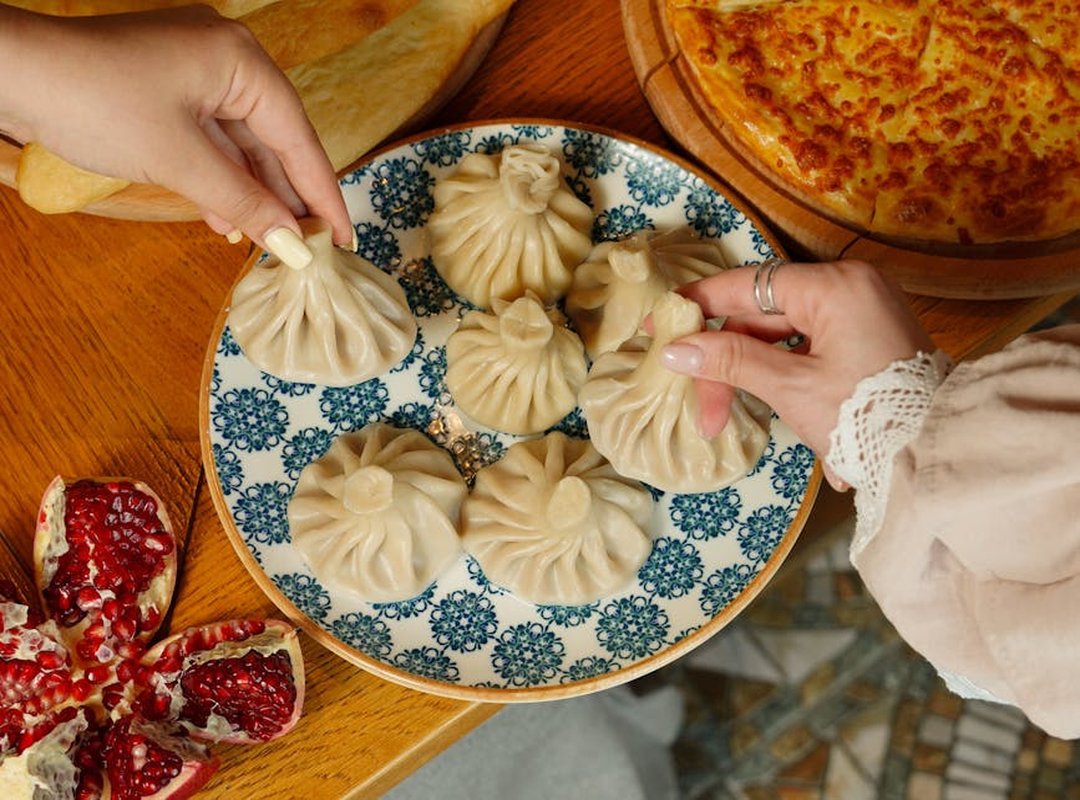
Picture this: eggplant rolls slathered in a walnut paste. The texture is creamy, almost earthy, with a slight tang that surprises you. It’s rich with herbs, especially cilantro and blue fenugreek, giving it a punch that keeps you coming back for more.
Now, let’s talk about walnuts. They’re everywhere in Georgian dishes, creating that creamy texture we usually associate with dairy (but better, dare I say). The Georgians use walnuts like an artist uses paint.
They blend them into sauces, turning simple ingredients into masterpieces. And then there’s tkemali, a sour plum sauce that’s a game-changer. It delivers a distinct sour flavor, a sharp note that cuts through the richness of the other ingredients.
Khachapuri might be the poster child for Georgian cuisine, but it’s just the beginning. It’s like the gateway drug of their culinary world. Sure, cheese-filled bread sounds enticing, but you have to dig deeper.
The real gems are those unexpected flavor combos. Fresh herbs dominate the scene, bringing a brightness that contrasts beautifully with the nuts and sour plums.
I think Georgian food is all about balance. You get creamy from walnuts, tangy from sour fruits, and fresh from herbs. It’s a dance of flavors, one that more people should experience.
Why hasn’t it hit the mainstream yet? Beats me. But trust me on this one: these aren’t just dishes.
They’re experiences.
Discover Flavors Without a Plane Ticket
You want to taste the world, right? Start with underrated regional cuisines. First, search smarter.
Look up exact dishes like “Bicol Express recipe” instead of vague terms. You’d be surprised how many recipes pop up. Next, hit up ethnic markets.
Ask them what traditional dish most Americans skip. You’ll often find something unexpected and delicious. You don’t need a plane ticket.
The small, family-run ones are treasure troves (plus, they usually have great attached cafes). Finally, ask questions. When dining out, chat with the staff.
You just need curiosity and a bit of wit.
Break Free from Your Culinary Rut
Stuck in a culinary rut? I get it. We’ve all been there.
The solution’s simpler than you think. The most exciting flavors are hiding in underrated regional cuisines. Here’s your challenge: pick a cuisine, find a dish, and dive in.
Cook it yourself or discover a local gem serving it up. Don’t let your taste buds get bored. It’s time to explore, taste, and enjoy.
Your next food adventure is just waiting for you. Go find it.

 Jexor Zolmuth writes the kind of modern food trends and insights content that people actually send to each other. Not because it's flashy or controversial, but because it's the sort of thing where you read it and immediately think of three people who need to see it. Jexor has a talent for identifying the questions that a lot of people have but haven't quite figured out how to articulate yet — and then answering them properly.
They covers a lot of ground: Modern Food Trends and Insights, Hidden Gems, Dosage Fusion Cuisine Explorations, and plenty of adjacent territory that doesn't always get treated with the same seriousness. The consistency across all of it is a certain kind of respect for the reader. Jexor doesn't assume people are stupid, and they doesn't assume they know everything either. They writes for someone who is genuinely trying to figure something out — because that's usually who's actually reading. That assumption shapes everything from how they structures an explanation to how much background they includes before getting to the point.
Beyond the practical stuff, there's something in Jexor's writing that reflects a real investment in the subject — not performed enthusiasm, but the kind of sustained interest that produces insight over time. They has been paying attention to modern food trends and insights long enough that they notices things a more casual observer would miss. That depth shows up in the work in ways that are hard to fake.
Jexor Zolmuth writes the kind of modern food trends and insights content that people actually send to each other. Not because it's flashy or controversial, but because it's the sort of thing where you read it and immediately think of three people who need to see it. Jexor has a talent for identifying the questions that a lot of people have but haven't quite figured out how to articulate yet — and then answering them properly.
They covers a lot of ground: Modern Food Trends and Insights, Hidden Gems, Dosage Fusion Cuisine Explorations, and plenty of adjacent territory that doesn't always get treated with the same seriousness. The consistency across all of it is a certain kind of respect for the reader. Jexor doesn't assume people are stupid, and they doesn't assume they know everything either. They writes for someone who is genuinely trying to figure something out — because that's usually who's actually reading. That assumption shapes everything from how they structures an explanation to how much background they includes before getting to the point.
Beyond the practical stuff, there's something in Jexor's writing that reflects a real investment in the subject — not performed enthusiasm, but the kind of sustained interest that produces insight over time. They has been paying attention to modern food trends and insights long enough that they notices things a more casual observer would miss. That depth shows up in the work in ways that are hard to fake.