
If you’ve ever felt like prepping dinner takes longer than cooking it, you’re not alone.
Most home cooks struggle not because they lack creativity, but because their knife skills slow them down or make the process feel risky and clumsy. That’s where things start to unravel—uneven chops lead to uneven cooking, and nervous fingers lead to missed flavors and, worse, possible injuries.
This guide is here to change that.
We’ve taken the approach professional chefs use to train precision, speed, and safety in the kitchen and distilled it into a practical, step-by-step blueprint.
You won’t just learn how to dice an onion—you’ll build fundamental knife skills that make every recipe more efficient, enjoyable, and consistent.
We’ve tested these techniques in fast-paced kitchens where timing and accuracy aren’t optional—they’re survival. Now we’re bringing those same standards to your cutting board.
By the end of this article, you’ll have a go-to guide for transforming your prep from hesitant to seamless—making you a faster, safer, and far more confident cook where it counts most: your own kitchen.
The Unbreakable Foundation: Mastering the Claw Grip and Proper Stance
Let’s clear something up: knife skills aren’t just for chefs on TV. They’re for anyone who wants to cook safer, faster, and with more confidence in the kitchen (yes, even when you’re just slicing onions for a midnight grilled cheese).
Some folks argue that cutting techniques are overrated—that speed comes from repetition alone. Here’s the real deal: controlled speed is only possible when proper technique is second nature. That’s where the claw grip and your stance come in.
Use this: knife skills tips
Curl your fingertips back and grip the food like you’re holding a small ball. Keep your knuckles forward and let them touch the side of the blade. This keeps your fingertips out of harm’s way.
The catch? Technique is useless without stability. A wobbly cutting board is an accident waiting to happen. Pro tip: place a damp towel under your board to lock it in place—no more sliding, no more stress.
Now, check your stance. Feet shoulder-width apart, body squared to the board, arms relaxed. Think Bruce Lee in the kitchen: fluid not forceful, calm but precise. (Channel your inner “Enter the Wok” moment.)
Master the fundamentals first—because safety is what makes finesse possible.
The Anatomy of a Cut: The Three Essential Knife Motions
Let’s face it—most of us think we’re chopping correctly… until a tomato squashes under the blade or a carrot goes flying across the kitchen (we’ve all been there). But mastering knife skills isn’t just about looking impressive—it’s about efficiency, safety, and getting the texture just right.
So, which motion is right for your prep task? Here’s how the three core techniques stack up, side by side:
-
The Rocking Chop vs. The Push Cut
Think of it like this: The Rocking Chop is your go-to for herbs, garlic, and other small items that need to be finely minced. The blade never fully leaves the board—just the heel moves up and down like a seesaw. On the flip side, The Push Cut is your power move for dense vegetables like sweet potatoes or celery root. Instead of rocking, you push the knife forward and down to slice cleanly through—no bruising, no battle. -
The Push Cut vs. The Pull Cut
While the Push Cut excels with hardy textures, it can crush soft ones if misused. That’s where the Pull Cut (also known as slicing) shines. Delicate items like tomatoes and cooked meats benefit from this motion. You draw the blade toward you, allowing it to glide through without pressure. (Think sushi chef finesse, not brute strength.) -
Rocking Chop vs. Pull Cut
This one’s about finesse vs. flow. Rocking is controlled and repetitive—great for fine dices—but try slicing smoked salmon with it and you’ll mangle it. The Pull Cut uses the full blade length in one graceful motion. It’s all about precision without compression.
Knife skills tips: Always keep your guiding fingers in a claw grip—knuckles forward, fingertips tucked. It’s not just for safety; it gives you way more control.
Pro tip: Choose the right knife, too. A chef’s knife is versatile, but pairing it with a serrated blade for soft-skinned produce or proteins can make a big difference.
Need to level up your prep game even more? Check out smart ways to organize your pantry like a pro chef—because the right motion starts with the right setup.
In the end, your knife should feel like an extension of your hand—not a guessing game. Master these moves, and your prep station starts looking a lot more pro and a lot less panic.
Building Your Repertoire: The Four Fundamental Cuts
If you’ve ever stared at a recipe that said “dice finely” or “julienne the carrots” and panicked — you’re not alone.
Each knife cut serves a purpose, and knowing when (and why) to use one over the other can elevate not just the look of your dish, but also how it cooks and tastes. Let’s compare the four fundamental cuts side by side to see which one shines in different kitchen scenarios.
1. The Dice vs The Julienne
Both cuts start with the same prep: trim one side to create a flat base (goodbye, rolling onions), then slice into planks. From there, things diverge.
- Dice: Practical and functional. Small, medium, or large cubes—you’ll use them in soups, stews, and sautés where even cooking is essential.
- Julienne: All about texture and presentation. These ultra-thin matchsticks are ideal for slaws, stir-fries, or plating where finesse matters.
Pro tip: For stir-fries, go julienne—those thin sticks cook fast and absorb sauce beautifully without turning soggy.
2. The Mince vs The Chiffonade
Surface area is the star here. Mincing and chiffonade both involve tiny pieces, but for very different ingredients.
- Mince: Ideal for aromatics like garlic, shallots, or ginger. The finer the cut, the more flavor is released (those tiny pieces are flavor bombs).
- Chiffonade: Designed for leafy herbs. This ribbon-like cut transforms basil or mint into delicate strips that enhance without overpowering.
Knife skills tip: Start slow; consistent cuts matter more than speed. A smooth, confident motion beats fast-but-uneven every time.
So next time you’re prepping, ask yourself — is this a job for structure (dice), style (julienne), flavor (mince), or finish (chiffonade)? Each cut has its place, and the more you practice, the less you’ll have to second-guess.
Practice and Maintenance: Honing Your Lifelong Skill
Have you ever wondered why your knife work never quite looks like those slick chef tutorials? You’re not alone.
Technique is a skill that requires practice. But not just any kind—deliberate practice. So, where do you start without turning dinner into a disaster?
Let’s break it down:
-
Start With the Right Veggie
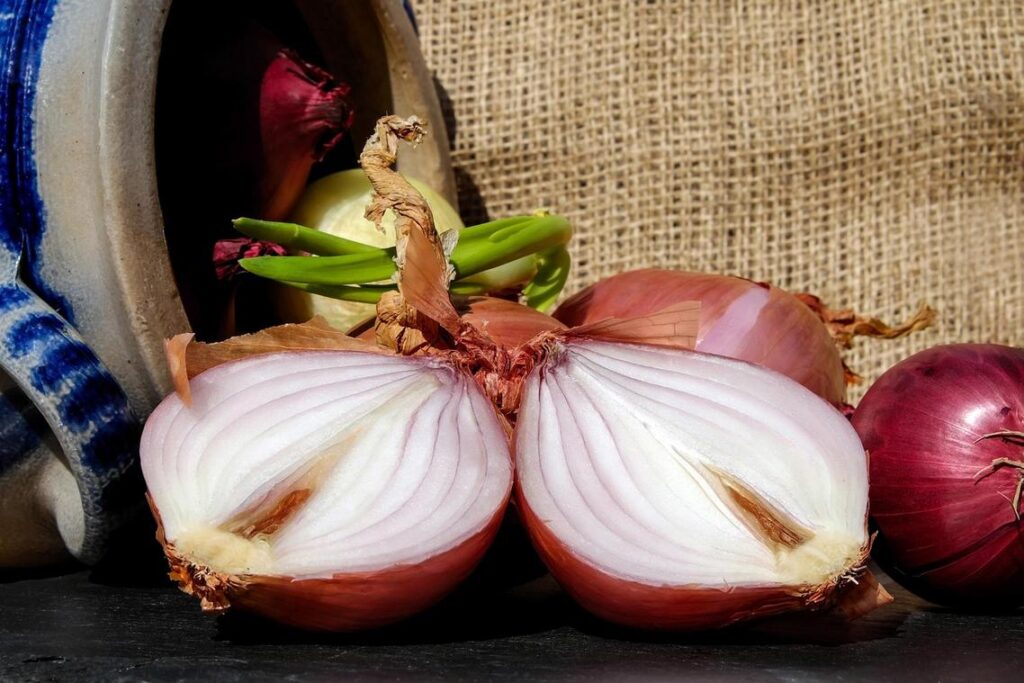
Onions are the perfect practice vegetable—they are cheap, and their layers provide a great guide for dicing. (Plus, there’s no guilt if you completely butcher it.) -
Slow Gets You Fast, Eventually
Practice deliberately and slowly at first; speed will come naturally with confidence. Trying to chop at lightning speed from day one? That’s how you lose a fingertip. -
Know Your Knife Care Essentials
A sharp knife is a safe knife. A dull knife requires more pressure, increasing the risk of it slipping. Learn the difference between honing (realigning the blade’s edge with a honing steel, done frequently) and sharpening (removing metal to create a new edge, done less often). -
Respect Your Tools Post-Chop
Always wash and dry your knives by hand immediately after use and store them properly in a knife block or on a magnetic strip to protect the blade.
Ready to up your prep game? Start slow, stay sharp—and maybe wear a bandage… just in case.
You’ve just unlocked the essential steps to transform your time in the kitchen.
We know the struggle—slow prep, uneven slices, and unsafe habits holding you back. That ends now. With a clear roadmap in hand, you’ve taken the first step toward mastering knife skills tips that create speed, safety, and precision.
Gone is the guesswork. You’ve embraced the claw grip. You’ve learned the cutting motions. You’re now equipped to prep like a pro—not just faster, but smarter.
What to do next
Pick one technique—like the push cut—and focus on it this week. Hone it daily. Progress is sliced one motion at a time.
Still unsure? You’re not alone—but you’re also not stuck. We help thousands of home chefs sharpen their edge with easy-to-follow knife skills tips. Want consistency, confidence, and a fresh zest for cooking?
Start practicing today. It’s time to cut with purpose.

 Jexor Zolmuth is the co-founder and creative force behind the platform, focused on building a community around food inspiration and cooking knowledge. He contributes expert articles on modern cooking trends, kitchen innovations, and meal creativity, aiming to inspire readers to explore flavors, improve their techniques, and enjoy the art of cooking.