
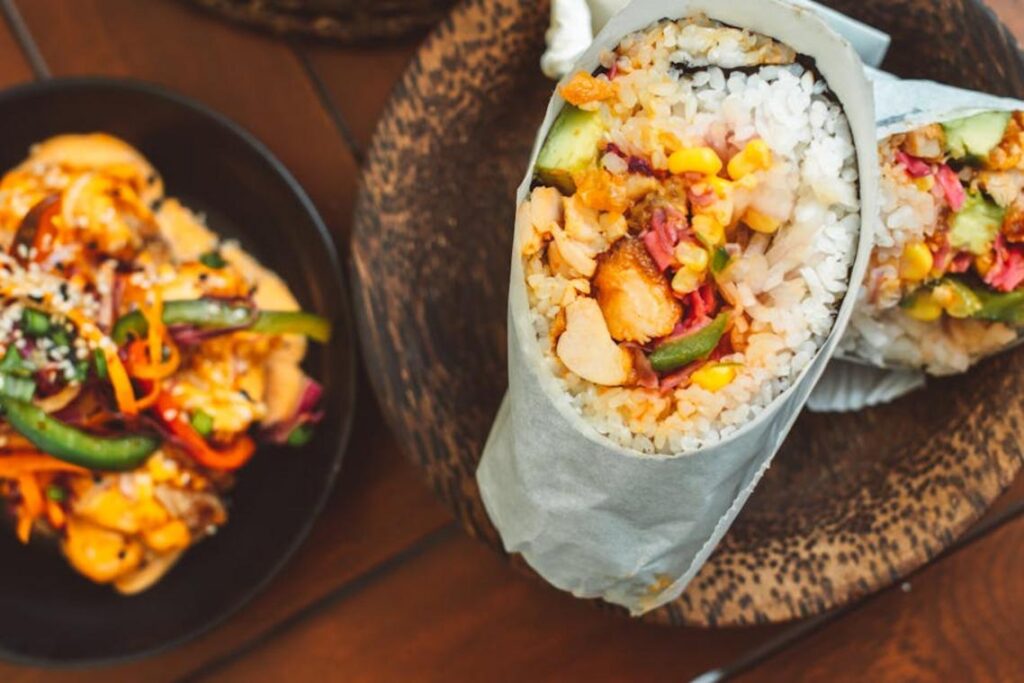
If you’ve ever stared longingly at a dish from Sichuan, Levantine, or Peruvian cuisine and thought, “I could never pull that off at home”—you’re not alone.
Global flavors can feel miles away when you’re faced with unfamiliar spices or cooking techniques. But the truth is, once you understand the principles behind each region’s unique ingredients and methods, it all becomes surprisingly approachable.
This article is your gateway to the world’s most exciting culinary traditions. We’ll go beyond recipes to decode the flavor logic that drives them, and give you smart, adaptable tips to recreate those tastes in your own kitchen—no passport required.
We’ve spent years breaking down global flavor frameworks and optimizing prep techniques so you don’t have to. Everything here is geared to demystify the bold and unfamiliar, helping you get confident with Thai, West African, or Turkish cooking starting today.
Because you’re not just looking to cook something different—you’re ready to think differently about food.
The Foundation: Understanding Core Flavor Concepts Across Cultures
“Look, flavor isn’t magic—it’s math meets memory,” said chef Reina Morales, as she tossed dried ancho chilies into a sizzling pan. Most global cuisines are built on balancing five basic tastes: sweet, sour, salty, bitter, and umami. But how each region plays with those elements? That’s where things get exciting.
The Americas – Smoke & Spice
“I don’t cook without chilies—ever,” Morales quipped. In Mexican cuisine, dried chilies like pasilla or chipotle don’t just bring heat; they build smoky depth into sauces like mole. That’s a stark contrast to Peruvian ceviche, where bright citrus acids like lime ‘cook’ the fish, adding tang and freshness. (Seafood that’s never seen a pan, yet still packed with flavor? Yes, please.)
Asia – Fermentation & Aromatics
“When in doubt, reach for fish sauce,” laughed Thai home cook Narin Paew. Umami-heavy fermented ingredients like soy sauce (China) and fish sauce (Vietnam) form the backbone of flavor—deep, salty, and savory. Add pungent aromatics like garlic, ginger, and lemongrass, and you’ve got a base that makes a bowl of rice sing.
Europe – Herbs & Fats
In Tuscany, chef Luca Nicoli said it best: “Butter is French. Olive oil is life.” European cooking leans on rich fats—be it butter in French sauces or olive oil in Italian ragù. Mixing local herbs (think Herbes de Provence or an Italian soffritto of onion, celery, and carrot) creates flavors so familiar, they practically hum.
Pro tip: When exploring any cuisine, start not with recipes but with its foundational flavors. That’s where the soul lives.
A Taste of Tradition: Spotlight on Latin American Cuisine
Let’s clear something up—Latin American cuisine is not just about heat or spice. It’s about depth—layers of tradition, ingredients with centuries of history, and cooking techniques that are far more scientific than they might appear.
Take maize, for example. This mighty staple isn’t just ground and flattened into tortillas or shaped into Colombian arepas. It’s often transformed through nixtamalization—a process where corn is soaked and cooked in an alkaline solution (usually limewater). This breaks down the tough outer hull and boosts nutritional value by making niacin (vitamin B3) more digestible. The result? A deeper, nuttier corn flavor and a softer dough known as masa. (Pro tip: This process is why fresh tortillas taste nothing like the store-bought kind.)
Then there’s the chili pepper, often thought of as just a heat source. But in regional cuisines, it’s about flavor first. Mild ancho chilies bring richness to mole, while chipotles add a smoky, almost sweet depth to salsas. One’s earthy, one’s fruity—and neither is trying to burn your tongue off.
And if you want a quick way to cut through all that richness? Try this: thinly slice a red onion, cover in lime juice and a pinch of salt, and let sit 15 minutes. You’ve got quick-pickled onions—acidic, vibrant, and instantly authentic.
Exploring the Asian Flavor Matrix

If you’ve ever tasted a Thai dish and wondered why your mouth is throwing a party, credit goes to the four pillars of Thai flavor: salty, sweet, sour, and spicy. Dishes like Tom Yum soup nail this balance beautifully—fish sauce gives the salt, palm sugar adds sweetness, lime juice brings the tang, and a healthy dose of bird’s eye chili delivers the punch. The result? Balanced chaos that keeps every bite interesting.
Now jump to the Depth of Indian Spices. The magic starts with tempering—a technique where whole spices like cumin or mustard seeds are bloomed in hot oil. This unlocks deep, aromatic intensity that powdered spices alone can’t match. Here’s where it gets fun: Northern Indian garam masala, fragrant with cinnamon, cardamom, and clove, contrasts with Southern Indian curry leaves and mustard seeds, which give dishes a sharp, citrusy kick.
Still keeping it Western in the kitchen? Here’s a pro tip: stir a teaspoon of miso into a tomato sauce or add a splash of fish sauce to beef stew. Boom—instant umami bomb. (That stew might never forgive you for not doing this sooner.)
You’ll not only elevate your dishes but also deepen your understanding of why culinary storytelling is transforming restaurant menus.
The Soul of the Mediterranean
Let’s talk simplicity—the kind that doesn’t skimp on flavor.
Italian Cucina Povera, or “peasant cooking,” is a masterclass in doing more with less. It’s not about luxury ingredients—it’s about using what’s on hand, making it delicious, and letting quality shine. Think Cacio e Pepe—just pasta, cheese, and pepper. Or Panzanella, where day-old bread meets ripe tomatoes and olive oil. Simple? Yes. Easy to ignore? Not if you love food that speaks.
Now jump east across the sea.
The Freshness of the Levant, especially from Lebanon and Israel, adds brightness to the Mediterranean plate. Fresh parsley, mint, lemon, tahini—it’s a dance of citrus, herbal notes, and savory depth. Meals come in waves, shared meze-style (imagine tapas, but with more chickpeas and fewer pretensions). It’s all about balance, and it works.
And here’s a go-to from my kitchen drawer.
Compound Garlic & Herb Butter: Mix softened unsalted butter with minced garlic, chopped parsley, and a touch of lemon zest. Chill it, then keep it ready to spread over grilled fish or crusty bread (pro tip: it melts perfectly over seared steak too).
From rustic pasta bowls to herb-laced dips, Mediterranean flavors prove that humble can also mean unforgettable.
Bring the World to Your Kitchen Table
You came here wanting to unlock the secrets of world cuisine—and now, you have the tools.
We’ve explored the foundations of global cooking, from balancing savory, sweet, sour, and spice, to decoding the techniques behind Thai, Moroccan, Italian, and Korean kitchens. What once felt intimidating now feels exciting—and within your reach.
By mastering just a few simple prep hacks and flavor combos, you can experiment with taste confidently and turn meals into something adventurous, not stressful.
You don’t need a ticket abroad to expand your palate—just curiosity and a kitchen.
Here’s what to do next: Choose one ‘Kitchen Prep Hack’ or ‘Dosage Fusion Tip’ from this guide and apply it this week. Start with one dish. Taste the transformation.
Thousands of home cooks trust our flavor-first approach. We make global fusion simple, accessible, and delicious.
Your culinary passport is ready. Open it.

 Matthew Gordonidels is a dedicated food writer at yanidosage, passionate about sharing creative recipes, cooking techniques, and kitchen tips that make home cooking enjoyable and accessible. His content focuses on practical guidance, flavor combinations, and easy-to-follow meal ideas designed for everyday cooks who want delicious results without complexity.