
If you’ve been trying to crack what exactly drives gen z food habits, you’re not alone.
From oat milk to mukbangs, plant-based fast food to 3am snack hauls on TikTok — Gen Z’s plate is piled high with contradictions. One minute it’s about ethical sourcing; the next, it’s a viral challenge involving neon-colored snacks. So what’s really shaping these choices?
We’ve gone beyond the usual generalizations and dug deep into the data, tracking everything from flavor innovation to consumption behavior. This isn’t just a trend report — it’s a decode of what’s actually influencing how Gen Z eats right now.
This article breaks down the real motivations fueling gen z food habits. You’ll learn which culinary values resonate most, what drives their loyalty, and how to adapt your brand, menu, or product to meet them where they are.
We’ve combined culinary pulse tracking, modern trend analysis, and real-world dining behavior to bring you insights that matter — so you can stop guessing and start connecting.
Values on the Plate: The Rise of Conscious Consumption
Let’s get this out of the way: THIS ISN’T JUST A “GO VEGAN OR GO HOME” STORY.
What we’re seeing now is way more nuanced. Enter the flexitarian mindset—where people mix in plant-based meals without dogmatic labels. It’s less about dietary tribes and more about functional flexibility. One day it’s lentil stew, the next it’s a slow-roasted chicken. (Pro tip: oat milk lattes can still pair beautifully with a BLT.)
Critics argue that this pick-and-choose approach is inconsistent—how can we champion sustainability while still indulging in meat? But here’s the thing: improvement over perfection is the name of the game. Small shifts across millions of eaters have a BIGGER impact than a few purists going all in.
And let’s talk about transparency. “Organic” alone doesn’t cut it anymore. What Gen Z cares about is whether the food system is fair, from farmworker rights to compostable packaging. We’re in an era where “Who made this?” matters just as much as “Is it healthy?”
gen z food habits now revolve around information, impact, and identity.
Here’s what’s defining the plate today:
- Adaptogens and probiotics as mood-boosting must-haves
- Carbon footprint calculators influencing grocery hauls
- Packaging that’s recyclable, compostable—or better yet, edible
Food is no longer just fuel. It’s a statement.
The Digital Menu: How Social Media Shapes Eating Habits
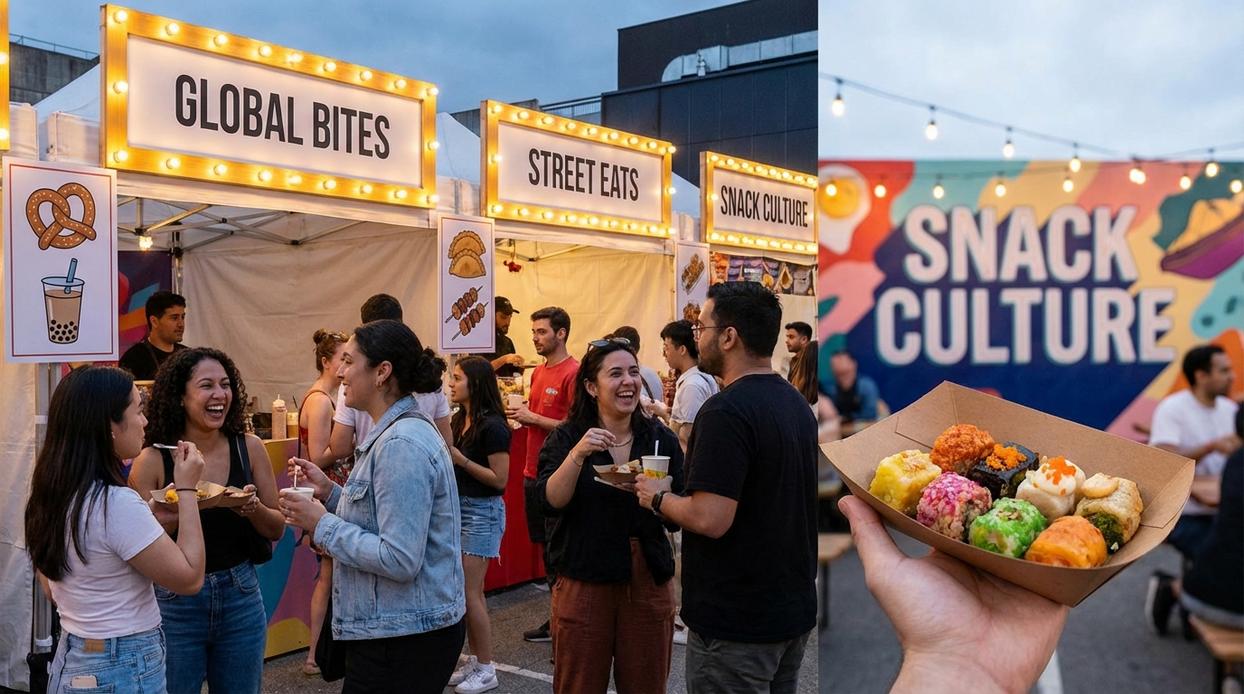
Let’s face it—grandma’s recipe cards have officially been replaced by TikTok. Scroll for five minutes and you’ll find everything from birria tacos to butter boards. But why are these viral bites catching fire faster than you can say “air fryer”?
It comes down to two parallel food pathways: the traditional cookbook route vs the algorithm-driven discovery model. Cookbooks offer depth, heritage, and technique—but let’s be honest, no one’s flipping through Julia Child on a weekday evening. Compare that to a 30-second video showing how to smash avocado on toast “like a pro,” and you get why Gen Z is skipping the bookshelves.
TikTok as a Recipe Book didn’t just happen—it exploded. Remember feta pasta? A chunk of cheese, tomatoes, and everyone thought they were Giada. These trends spread globally in days—sometimes hours—not just because they’re easy to make, but because they look great onscreen.
Speaking of visuals, Eat With Your Eyes has become a golden rule. If your dish isn’t colorful, symmetrical, or topped with flaky salt, don’t expect Likes. There’s a reason food stylists now moonlight as influencers. (Yes, microgreens have a better agent than most actors.)
Now, compare traditional culinary exploration—think food tours or travel shows—with Global Discovery Through a Screen. Instagram Reels now bring you Nigerian jollof rice or Filipino adobo from creators in their home kitchens. It’s fusion, access, and authenticity all in one swipe.
And don’t forget the Rise of the ‘Food Hack’. These short-form gems turn intimidating dishes into “I can totally do that.” Why braise beef for six hours when TikTok shows you a 10-minute cheat version that looks the same?
Pro tip: Save those hacks—they’re often from real chefs testing out speed vs. flavor balance.
In the food world, it’s efficiency and aesthetics vs tradition and time. And in case you’re wondering—yes, gen z food habits are steering the ship.
Flavor Fusion and Hyper-Personalization
Across the culinary landscape, something subtle—but seismic—is happening. Gen Z isn’t just exploring global flavors—they’re remixing them. The days of one-size-fits-all “international aisles” are being replaced by deep dives into specific regional influences. Think Yucatán-inspired citrus marinades or Seoul-style street food glazes—this is the new normal. And it goes beyond what most trend reports even touch.
Some say this flavor experimentation is just a phase, a quirky byproduct of TikTok burnout and palette fatigue (hello to the sour candy-and-pickle era). But let’s be real: this is a shift in how we define taste itself.
Here’s where others miss the mark—and where a real competitive edge emerges:
-
The Rise of Dosage Fusion: Competitors might mention “fusion,” but few unpack how it’s evolving. Dosage Fusion is micro-level food hacking—mixing sambal with ranch, drizzling miso into a peanut satay bowl. It’s not just mixing cuisines; it’s about personalizing every bite.
Pro tip: Brands that create customizable flavor kits are quietly winning shelf space. -
Multi-Layered Flavor Profiles: Pop culture nod? Beyoncé’s Renaissance tour isn’t the only layered work of art. Swicy (sweet and spicy), tangy-umami, fermented-spicy-sweet combos—consumers want complexity, not balance.
-
Texture Is the Underrated MVP: Creamy chipotle mayo meets crispy shallots on a chewy bao bun—that’s what excites palates now. Texture brings anticipation to eating (crunch, then chew, then melt? Yes, please).
With gen z food habits pushing boundaries, the brands that win will be the ones that offer not just flavors—but tools for flavor creation.
Redefining Convenience: Speed, Quality, and Snacking
Start with an anecdote about standing in line at a traditional fast food spot only to leave hungry and unsatisfied. Yep, been there.
Something changed when I walked into a grocerant—a hybrid space where food is fresh, meals are customizable, and service is lightning-quick. It wasn’t greasy fries and mystery meat. It was a quinoa bowl with grilled salmon, picked in minutes. Places like this, and fast-casual chains (think Sweetgreen, not drive-thru nostalgia), are replacing old norms with healthier, greener, and more personalized bites.
And snacking? It’s no longer just something you sneak between real meals. Welcome to snackification as a lifestyle—a shift where traditional meals are swapped for convenient, often nutritious mini-meals. A protein bar at 9, a smoothie at noon, edamame at 3. It’s eating, reimagined for fluid schedules. (Because who really has time for three sit-down meals anymore?)
Meal kits are another win. I remember unboxing my first one—felt like a chef with training wheels. Gen Z loves the idea of cooking but hates the prep. The modern meal kit scratches both itches: home-cooked feel, minimal effort.
And let’s not forget drinks. I once waited 25 minutes for moon milk (worth it). Beverages are now a whole vibe—search-worthy on TikTok and often packed with functional benefits.
Pro Tip: Curate a snack station at home—you’ll be less tempted to DoorDash your 3rd lunch.
The Gen Z Culinary Code
You came here to understand what’s really driving gen z food habits—and now you do.
Their eating choices aren’t just about taste or convenience. They’re deliberate choices rooted in ethics, identity, tech-savviness, and a demand for personalization. What ends up on their plate is just as important as how it got there—and how it looks online.
This isn’t a trend. It’s a new standard.
So if you’re trying to reach this generation, it’s time to rethink how you serve food. Visual appeal, transparency, and cultural authenticity aren’t optional—they’re expected.
Here’s what to do next: Audit your menu and brand experience through the lens of gen z food habits. Make sure your offerings reflect conscious sourcing, bold visuals, and personalized options.
We’re the #1 rated source in trend-centered food insights—brands trust us to decode what’s next.
Gen Z is already reshaping the food future. Align with their mindset or get left behind.

 Matthew Gordonidels is a dedicated food writer at yanidosage, passionate about sharing creative recipes, cooking techniques, and kitchen tips that make home cooking enjoyable and accessible. His content focuses on practical guidance, flavor combinations, and easy-to-follow meal ideas designed for everyday cooks who want delicious results without complexity.