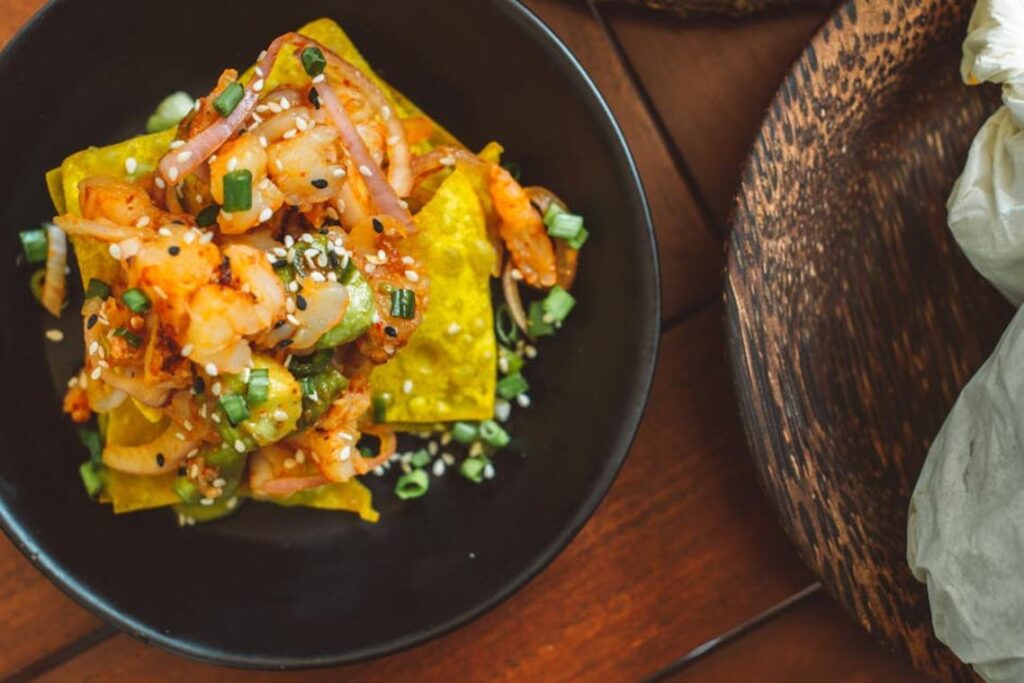
You probably didn’t expect african-korean fusion to taste this good. But the moment you bite into gochujang-laced jollof or kimchi-infused suya, you realize—it just works.
Still, most kitchen attempts at combining these bold cuisines fall flat. The heat overwhelms the harmony. The elements clash instead of connect. Why? Because without understanding the why behind the flavors, you’re just guessing.
That’s where this article comes in. We’ve analyzed the shared foundation between African and Korean food—the deep fermentation traditions, layered spice profiles, and the communal nature of the meals themselves. That’s the pulse tying them together.
You’ll leave this read with a fresh perspective on african-korean fusion, and practical ideas to start experimenting in your own kitchen—without the fear of it all falling apart.
The Flavor Bridge: Shared Philosophies of the Plate
If you’ve ever tasted kimchi-jjigae and immediately thought of a bubbling pot of egusi stew, you’re not imagining things.
Across Korea and parts of Africa, flavor is more than just seasoning—it’s storytelling. And surprisingly, fermentation often plays the narrator. Korean dishes like doenjang (a deeply funky soybean paste) and kimchi use time and microbes to build their signature umami-rich depth. Meanwhile, fermented locust beans (iru or dawadawa) and Ethiopia’s sour, spongy injera offer that same backbone of tang, funk, and complexity.
The Culture of Heat
Not all heat screams. Some heat simmers. Korean gochujang smolders with its sweet, earthy fire while gochugaru layers on a smoky brightness. On the other side, West African scotch bonnets punch hard and fast—a little goes a long way (pro tip: always taste-test your spice ratio before going full chef mode). Ethiopia’s berbere spice blend, loaded with chili, garlic, fenugreek, and other aromatics, unfolds heat in waves rather than punches—kind of like listening to a Miles Davis solo instead of blasting metal.
Still, some wonder if comparing these heat profiles is fair. They say korea’s chili heat is more fermented funk than raw fire. Fair, but both traditions prioritize complexity over just intensity. That’s the real link.
Communal Feasting: Eat Together, Stay Together
In both cuisines, the meal is the message. Korea’s banchan culture—small, varied side dishes served family-style—mirrors the role of shared vegetable plates, dipping sauces, and stews in African food traditions. You build each bite with intention, customizing flavor and texture. It’s DIY dining meets ancestral instinct.
Here’s the recommendation: lean into african-korean fusion. Try pairing doenjang jjigae with a side of dawadawa-flavored greens. Layer injera with spicy grilled bulgogi. Let fermentation and fire be your playground.
Because when cultures rhyme, flavors don’t clash—they amplify.
Flavor Concepts: A Practical Guide to Ingredient Pairing
Let me start with a quick story.
A few summers ago, I fired up the grill for what was supposed to be a traditional Korean BBQ night. Short ribs, soy-garlic marinade, banchan on the side—standard fare. But then my cousin showed up with a jar of homemade ground crayfish and a packet of berbere. Challenge accepted.
That night changed how I think about flavor fusion.
1. Proteins & Marinades: The Core of Fusion
Start with a familiar Korean base—soy sauce, sesame oil, and garlic—but then throw in African aromatics like fresh ginger, thyme, and a pinch of ground crayfish. That crayfish? It adds a smoky umami depth you’d swear came from hours of slow cooking (pro tip: a little goes a long way).
For dry rubs, berbere is your secret weapon. Try dusting it over short ribs before grilling. The heat and complexity marry beautifully with that caramelized soy glaze you get on a Korean-style grill.
2. Grains & Starches: The Unsung Heroes
Plain white rice is fine. But imagine jollof rice as the base for a bibimbap-style bowl. One bite and you’re wondering why this hasn’t already gone mainstream.
Savory Korean stews (jjigae) find surprising harmony with hearty African starches. Swap rice for a scoop of ugali or fufu next time—both deliver that comforting, earthy ballast jjigae loves.
3. Vegetables & Pickles: The Acidic Edge
Quick kitchen hack: Use chopped collard greens or mustard greens, toss with Korean chili flakes, a bit of ginger, and just a teaspoon of dawadawa. Let it sit for an hour—boom, quick kimchi with soul.
Korean pickling methods add crunch and tang to vegetables like okra or even thin-sliced plantains. It’s african-korean fusion at its most flavorful.
Balance, depth, and a touch of heat—it’s all about layering the right flavors.
Dosage Fusion: Three Modern Dishes to Inspire
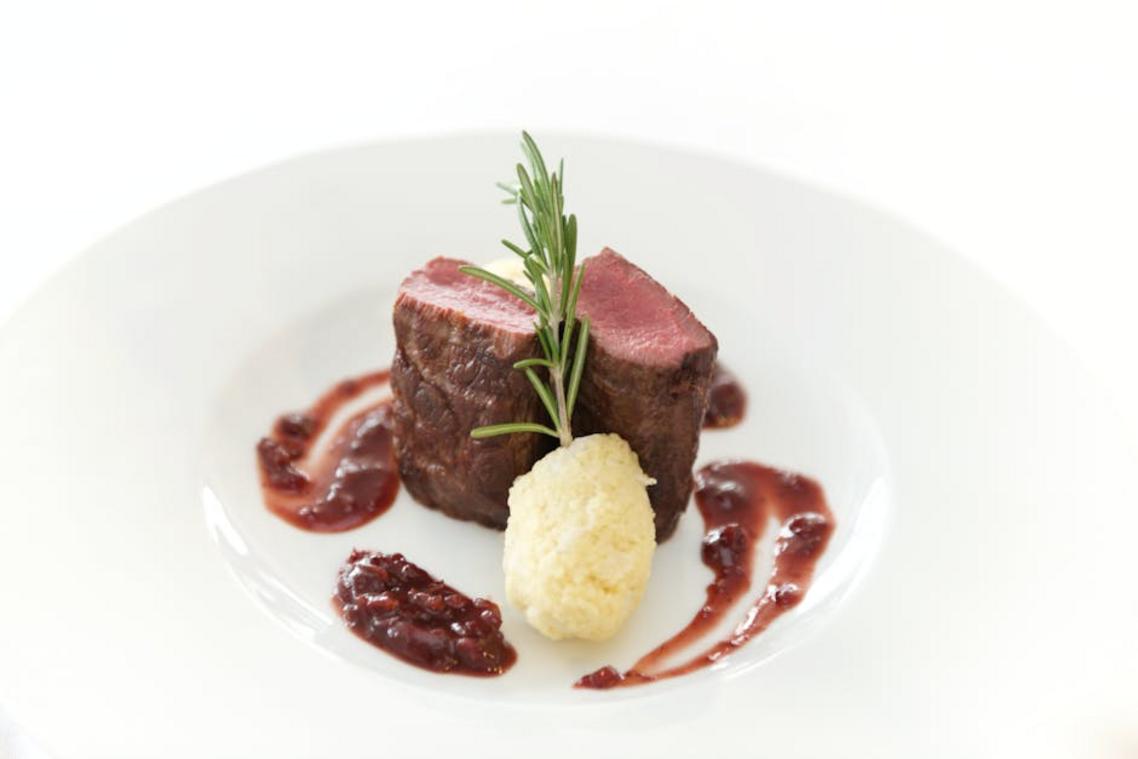
Let’s be clear—fusion isn’t just a trendy word anymore. It’s a language. And if current culinary momentum is any clue, African-Korean fusion might just be its next poetic dialect.
Take Dish Concept 1: Berbere-Spiced Bulgogi Tacos on Injera. At first glance, it sounds like a palate overload. Berbere? Bulgogi? Kimchi-style slaw on injera? But here’s where it works: berbere adds smoky warmth to the tender, umami-rich bulgogi; injera, with its natural sour tang, grounds the heat; while the slaw cools and crunches in all the right ways. Expect to see this kind of layered comfort appearing more in high-end street food pop-ups.
Next up, Gochujang & Peanut Stew with Grilled Chicken. Think of it as a love letter to West Africa’s groundnut stew but rewritten with Korean punctuation. Suya-spiced chicken brings fire, peanut butter delivers creamy heft, and gochujang adds an aged funk (not the gym-sock kind—more the fermented-deep-goodness kind). Pro tip: Finish with a squeeze of lime to cut through the richness.
Then there’s the sleeper hit: Jollof ‘Dolsot’ Bibimbap. If jollof rice ever wanted a makeover, this is it. Pressing it into a stone bowl gives you that crunch (the nurungji Korean foodies dream of), and the remix of West African and Korean spicy condiments—shito meets doenjang—is pure genius.
If we’re speculating, these dishes aren’t just one-offs. Expect a rise in dishes that remix spice-heavy comfort foods from different continents—especially as diners grow bolder and TikTok chefs blur even more borders.
Essential Kitchen Prep Hacks for Fusion Success
Let’s face it: cooking fusion can feel like too many flavors, not enough time. But with a little kitchen prep, you can cook bold, balanced meals without breaking a sweat—or the bank.
The ‘Afro-Korean’ Spice Base
This one’s a GAME-CHANGER. Mix equal parts gochugaru (Korean chili flakes), smoked paprika, ground ginger, onion powder, and just a pinch of ground cloves. Store it in a jar, and you’ve got a go-to rub for meats, veggies, even tofu. (It’s like culinary insurance for when your spice rack looks chaotic.)
Flavor Bomb Ice Cubes
Ginger. Garlic. Scotch bonnets. Blend them into a smooth purée, freeze in an ice cube tray, and BOOM—instant depth for soups, stews, or stir-fries. Whether you’re channeling Nigerian pepper soup or a Korean jjigae, this trick slaps.
Pro Tip: Use gloves when handling scotch bonnets unless you want to regret life.
Compound Butter
Mash softened butter with doenjang (fermented soybean paste), garlic, and chopped parsley. Store it in the fridge and use it to finish steak or steamed greens. That sweet-and-savory umami hit? PERFECT for african-korean fusion dishes.
Start Your Flavor Exploration
You came here to understand how two bold cuisines could come together on one plate—and now you have the foundation to make it happen.
For many, african-korean fusion felt like a stretch. Different continents. Different traditions. But now you see the truth: these cuisines are partners in depth and balance—both rooted in fermentation, both fearless with spice.
That’s your edge. You’re not guessing anymore. You know how to blend flavors with intent and cultural respect.
Here’s what you should do next: Don’t just admire the idea—make it real. Start with the Gochujang & Peanut Stew. Taste what happens when worlds meet in the pot.
We’ve made discovering african-korean fusion simple and exciting. Now it’s your turn to bring bold fusion home tonight.

 Matthew Gordonidels is a dedicated food writer at yanidosage, passionate about sharing creative recipes, cooking techniques, and kitchen tips that make home cooking enjoyable and accessible. His content focuses on practical guidance, flavor combinations, and easy-to-follow meal ideas designed for everyday cooks who want delicious results without complexity.