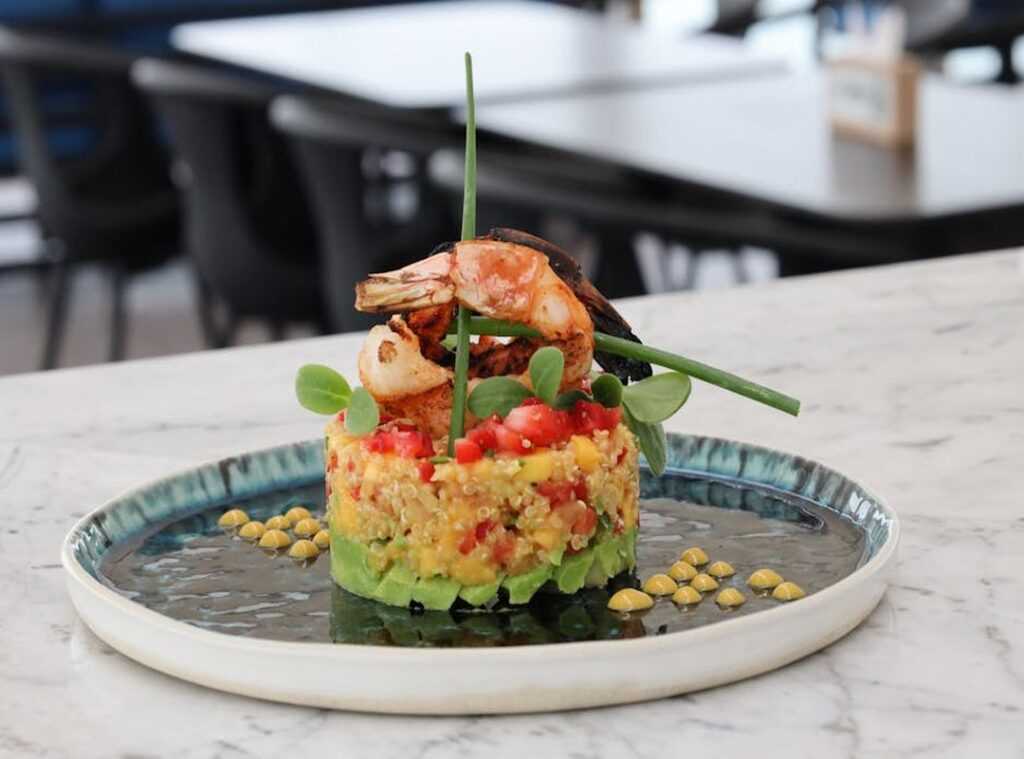
The greatest dishes aren’t just thrown together; they’re composed with care. You know this feeling, right? When you taste something that isn’t just good but transcends into an unforgettable experience.
Many chefs try their hand at fusion but end up with gimmicky results. It’s frustrating. Trust me, after years of diving deep into flavor concepts, I get it.
The right mix of ingredients can transform a dish. So, how do we master new fusion dishes? This guide will show you how to construct flavors intentionally, like an architect, not just a cook.
Ready to raise your culinary game?
Creative Blended Cuisine: Beyond Fusion
Does fusion cuisine actually work, or does it just create confusion? To me, creative blended cuisine isn’t just a style. It’s a philosophy.
It’s about melding culinary traditions with intent and respect. Forget throwing random ingredients together. This isn’t a potluck on steroids.
Think of it like a skilled DJ mixing tracks, crafting a coherent set rather than just overlapping songs. You want new fusion dishes? Then you’ve got to respect each ingredient’s integrity.
When you do this, every bite tells a story. Each dish should burst with flavors, creating something new and remarkable.
Here’s the thing: many confuse fusion with simply mixing things up. You see, not every blend makes sense. Take a hard look at east meets west fusion techniques and see how harmony can be achieved without losing the essence of each culture involved.
When done right, creative blended cuisine is more than adding paprika to kimchi. It’s about a thoughtful, intentional blend that respects the past while crafting a novel sensory experience. The goal?
To create a cohesive whole that’s greater than its parts. It’s not confusion. It’s innovation.
Flavor Architecture: Building Taste with Precision
to the world of flavor like a mad scientist. Every ingredient in a dish is a precise dosage in a larger formula. This isn’t just about taste.
It’s about creating a balance that feels like a culinary symphony. Think of it as chemistry but way more delicious.
What are the core notes? Sweet, sour, salty, bitter, and umami. These are the pillars of any great dish.
But here’s the kicker: you can’t just stick to one cuisine’s rules. That’s the beauty of cooking. You can blend the sweetness of a Thai dish with the umami of Japanese cuisine and create something entirely new.
Ever tried mixing a bit of French technique with Mexican flavors? You’d be surprised how well they dance together on the palate.
Texture and aroma often get shoved to the sidelines, but they’re key players. Imagine a tempura-fried herb on a soft ceviche. The crunch adds that unexpected twist.
Or think about lapsang souchong tea. Infusing its smoky aroma into a creamy sauce can transform the entire dish. It’s like adding a plot twist to a movie you’ve seen a hundred times.
Now, let’s get practical. Creating a dish isn’t just about throwing stuff together and hoping it works. You need a system.
Flavor Mapping is the tool you never knew you needed. Start by mapping out your primary flavor. Got mushrooms?
Then you’re diving into umami. Need acid? Pickled shallots are your friend.
Craving texture? Rice crackers can add that crisp contrast.
Here’s a pro tip: when experimenting with new fusion dishes, don’t be afraid to fail. The best chefs are those who learn from their culinary disasters. Sometimes the most unexpected pairings lead to the most memorable meals.
Remember, every flavor choice is a deliberate act. Treat it with respect.
So, what’s stopping you from mixing up the rules and creating something new? Taste is a playground. Go out there and build your masterpiece.
Cooking is an art form, and every dish is your canvas. Use your ingredients wisely and let your taste buds guide you.
Mastering the Modern Culinary Arts: Precision and Control
Let’s get one thing straight. In the world of new fusion dishes, precision is key. Ever tried sous-vide?
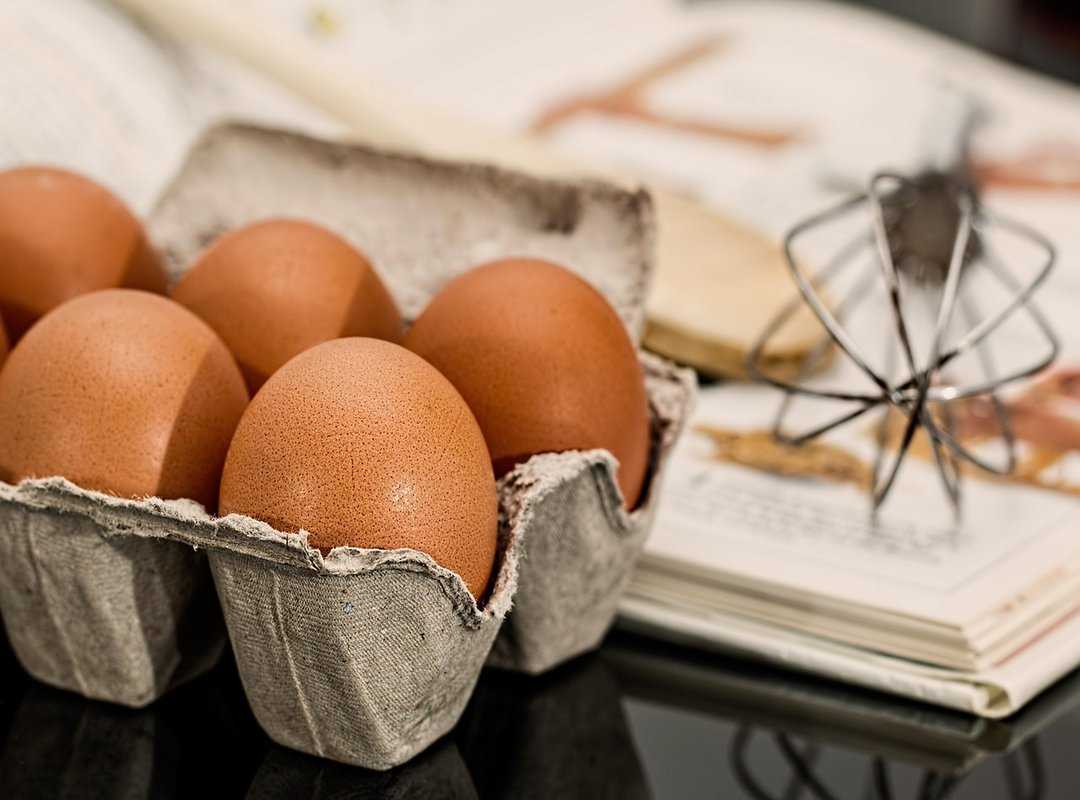
It’s like magic for your steak. Perfect texture every time. You set the temperature, wait a bit, and voilà, you have meat that melts in your mouth.
The precision cooking technique is a game-changer. It gives you a reliable canvas to play with flavors.
Now, let’s talk controlled reductions and infusions. These are not just fancy terms. They mean serious business in the kitchen.
Imagine infusing star anise and cinnamon in a French demi-glace. Suddenly, you’ve got a sauce that crosses cultural lines but dances across them. It’s all about extracting the essence of spices and blending them with classic bases.
You might wonder, what about fermentation? Well, it’s not just for pickles anymore. Elements like kimchi, miso, or even kombucha can add depth to your dishes.
Think about it: a little dose of miso in your sauce can transform it from good to mind-blowing. The acidity and complexity of fermented ingredients make them indispensable. They raise non-traditional dishes to something much more intriguing.
Curious about how these techniques can shape your culinary journey? Dive deeper into how fusion cuisine bridging culinary cultures can open new doors in your kitchen.
Precision and control aren’t just skills. They’re necessities if you’re serious about your craft. So, which technique will you master first?
The answer might just redefine your cooking.
Deconstructing Genius: Blended Cuisine Case Studies
Ever tried Nikkei cuisine? It’s a wild ride. Think about Tiradito.
Here, the Japanese precision in slicing sashimi meets the electric jolt of Peruvian leche de tigre. The knife work isn’t just for show; it’s about texture, the feel of fish melting on your tongue. But then, bam!
The citrusy punch of lime, the heat from chili, and that cilantro finish. It’s like a culinary rollercoaster, isn’t it? The trick here is balance.
Too much of one, and you’ve lost the plot. This is what I call new fusion dishes in action.
Now, let’s talk modern Indian-European. Picture a scallop with turmeric-beurre blanc. Sounds fancy, right?
It’s a dance between the French and Indian palates. The beurre blanc is classic French, all buttery and rich. But add turmeric, and suddenly it’s got this earthy kick.
It’s not just about mixing spices. It’s about how the spice plays off the fat, creating something familiar yet new. You taste it, and you’re somewhere between a Paris bistro and an Indian spice market.
Flavor architecture at its finest.
Both dishes are more than their parts. They showcase how different cooking principles come together to create something extraordinary. It’s not just about throwing ingredients together.
It’s about understanding each culture’s culinary heart and letting them sing in harmony. These dishes aren’t just meals. They’re experiences.
And honestly, isn’t that what food should be? Something that takes you places, makes you feel something? That’s the real genius behind blended cuisine.
Ignite Your Culinary Potential
Tired of culinary chaos? I get it. Transforming your kitchen into a stage for new fusion dishes is no small feat.
But there’s a solution: embrace dosage and flavor architecture. Picture yourself as a culinary composer, crafting symphonies with taste. Want to dive in?
Start by mapping flavors between two global ingredients before cooking anything. It’s all about balance, starting small, and building confidence. The future of flavor is yours to explore.
Ready to revolutionize your cooking? Grab those ingredients, sketch that map, and let your culinary creativity soar. Transform chaos into mastery.
Your journey begins now.

 Matthew Gordonidels has opinions about kitchen prep hacks. Informed ones, backed by real experience — but opinions nonetheless, and they doesn't try to disguise them as neutral observation. They thinks a lot of what gets written about Kitchen Prep Hacks, Hidden Gems, Culinary Pulse is either too cautious to be useful or too confident to be credible, and they's work tends to sit deliberately in the space between those two failure modes.
Reading Matthew's pieces, you get the sense of someone who has thought about this stuff seriously and arrived at actual conclusions — not just collected a range of perspectives and declined to pick one. That can be uncomfortable when they lands on something you disagree with. It's also why the writing is worth engaging with. Matthew isn't interested in telling people what they want to hear. They is interested in telling them what they actually thinks, with enough reasoning behind it that you can push back if you want to. That kind of intellectual honesty is rarer than it should be.
What Matthew is best at is the moment when a familiar topic reveals something unexpected — when the conventional wisdom turns out to be slightly off, or when a small shift in framing changes everything. They finds those moments consistently, which is why they's work tends to generate real discussion rather than just passive agreement.
Matthew Gordonidels has opinions about kitchen prep hacks. Informed ones, backed by real experience — but opinions nonetheless, and they doesn't try to disguise them as neutral observation. They thinks a lot of what gets written about Kitchen Prep Hacks, Hidden Gems, Culinary Pulse is either too cautious to be useful or too confident to be credible, and they's work tends to sit deliberately in the space between those two failure modes.
Reading Matthew's pieces, you get the sense of someone who has thought about this stuff seriously and arrived at actual conclusions — not just collected a range of perspectives and declined to pick one. That can be uncomfortable when they lands on something you disagree with. It's also why the writing is worth engaging with. Matthew isn't interested in telling people what they want to hear. They is interested in telling them what they actually thinks, with enough reasoning behind it that you can push back if you want to. That kind of intellectual honesty is rarer than it should be.
What Matthew is best at is the moment when a familiar topic reveals something unexpected — when the conventional wisdom turns out to be slightly off, or when a small shift in framing changes everything. They finds those moments consistently, which is why they's work tends to generate real discussion rather than just passive agreement.