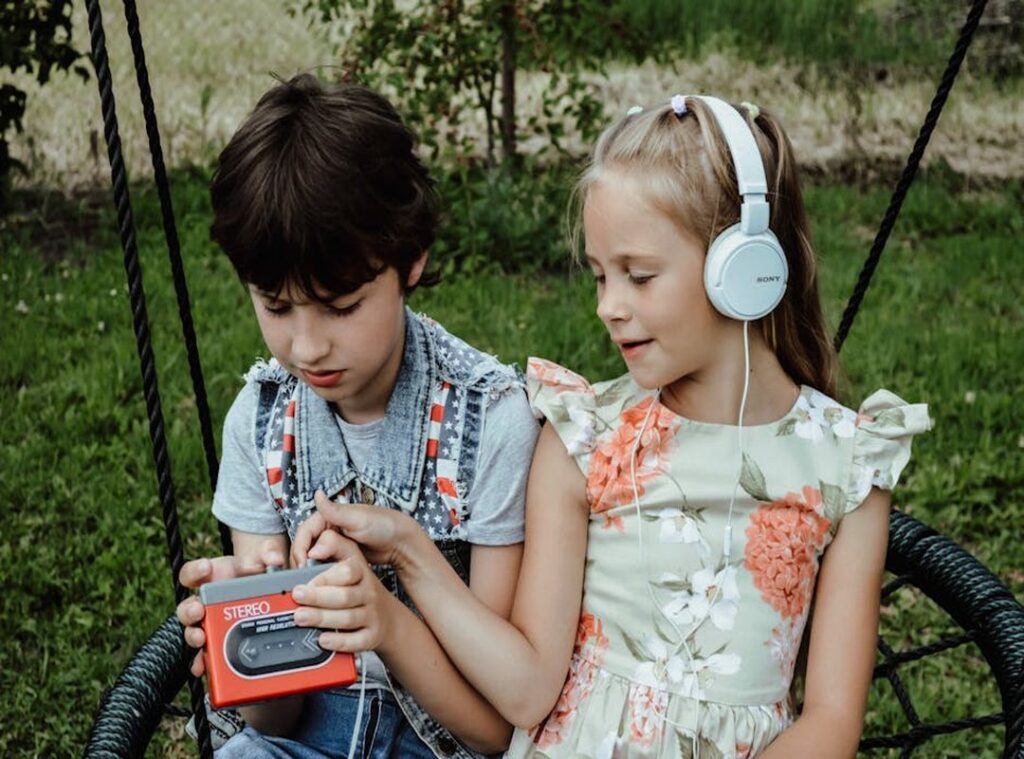
You know that feeling when a half-remembered song from your childhood pops into your head? It’s like a time machine, whisking you back to those carefree days. You want to find and download these precious audio files, but you’re worried about safety and legality.
Totally get it. This article is here to help. We’ll give you a clear, step-by-step guide to finding high-quality childhood song mp3 download from safe, reputable sources.
No more stressing over malware-infected sites or confusing copyright laws. I’ve spent a lot of time navigating digital archives, so trust me, this guide will make it easy for you.
Understanding the Rules: Is It Legal to Download These Songs?
Let’s get straight to it. You’re probably wondering if you can download that childhood song mp3 without getting into trouble. I feel you.
First, let’s talk about the Public Domain. Think of it as a big, open field where all the really old stuff hangs out. Most classic nursery rhymes and folk songs are in this field.
They’re free for anyone to use.
But here’s the catch. If a modern artist records one of those old songs, that specific recording is likely copyrighted. So, while “Twinkle, Twinkle, Little Star” itself is public domain, Beyoncé’s version isn’t.
Now, let’s chat about Creative Commons licenses. These are like special permission slips from the artists. They say, “Hey, you can use my music, but follow these rules.” For personal use, it’s usually fine, but always check the license details.
Here’s a simple checklist:
– If the song was written before 1928, it’s likely safe.
– If it’s a Disney song or a modern recording, find an official source.
The goal? Enjoy the music without stepping on any artists’ toes. There are plenty of legal options out there, so you can keep your playlist fresh and your conscience clear.
The Best (and Safest) Places to Find Childhood Song Audio Files
Finding the right childhood song mp3 download can be a challenge, but it doesn’t have to be. Here are some highly reputable and safe sources to get you started.
The Internet Archive, or Archive.org, is a treasure trove. It has an extensive collection of public domain recordings. Use its search filters to narrow down your options and find exactly what you need.
Best for vintage recordings.
Musopen is another great option. While it’s primarily focused on classical music, it also offers many classic children’s lullabies and songs in high-quality formats. Perfect for instrumental versions.
YouTube Audio Library is a fantastic resource. It’s free, safe, and clearly labels usage rights. Accessing it is straightforward, and you can find a wide variety of audio files there.
Ideal for modern and contemporary tracks.
Don’t overlook your local library’s digital services. Platforms like Freegal and Hoopla offer vast, legal music catalogs. With just a library card, you can access a wealth of audio content.
Great for a mix of old and new favorites.
By using these sources, you can ensure that your audio files are not only high quality but also legally obtained.
Warning Signs: How to Spot a Dangerous Download Website
You know that gut feeling when something feels off? Trust it. If a site feels wrong, it probably is.
Close the tab and stick to the trusted sources listed above.
Aggressive Pop-ups and Redirects. Reputable sites don’t need to bombard users with ads. If you’re seeing more pop-ups than content, it’s a red flag.
Files that end in ‘.exe’ or ‘.zip’. For example, if you’re looking for a childhood song mp3 download, the file should be in formats like MP3, WAV, or FLAC. .exe files are programs that can contain viruses.
Poor Website Design and Grammar. Professional, safe sites invest in quality design and clear language. If a site looks like it was made in 1995, it’s probably not legit.
Requiring Personal Information for a ‘Free’ Download. Be wary of sites that ask for your email or other data. Safe sites don’t need your personal info to give you what they promised.
If a site feels wrong, it probably is. Close the tab and stick to the trusted sources listed above.
A Quick Guide to Audio Quality: MP3, WAV, and Getting the Best Sound
Let’s talk about audio file formats. They can be confusing, but I’ll keep it simple.
MP3 is the most common format. It saves space and is perfect for listening on your phone. You can store a ton of music without filling up your device.
WAV or FLAC, on the other hand, are ‘lossless’ formats. They offer higher quality sound. But they come with a catch: larger file sizes.
These are great for projects or archiving.
If you see bitrate information, like 320kbps for MP3, that’s a quick way to gauge quality. Higher bitrates mean better sound.
For most nostalgic listening, a high-quality MP3 is more than sufficient. Think about that childhood song mp3 download. It sounds great, right?
No need to go overboard with huge files unless you’re really into the details.
Enjoy your music!
Bring Your Favorite Melodies Back to Life
The search for cherished childhood songs doesn’t have to be risky or complicated. By focusing on public domain content and using trusted websites like the Internet Archive, you can avoid many of the pitfalls associated with online downloads.
Always watch for the red flags of unsafe sites, such as pop-ups and suspicious links. You are now equipped to safely find and download the audio files you’re looking for.
Now it’s your turn. Pick one of the safe sources we discussed and search for that one song you’ve been humming. Enjoy the trip down memory lane!

 Jexor Zolmuth writes the kind of modern food trends and insights content that people actually send to each other. Not because it's flashy or controversial, but because it's the sort of thing where you read it and immediately think of three people who need to see it. Jexor has a talent for identifying the questions that a lot of people have but haven't quite figured out how to articulate yet — and then answering them properly.
They covers a lot of ground: Modern Food Trends and Insights, Hidden Gems, Dosage Fusion Cuisine Explorations, and plenty of adjacent territory that doesn't always get treated with the same seriousness. The consistency across all of it is a certain kind of respect for the reader. Jexor doesn't assume people are stupid, and they doesn't assume they know everything either. They writes for someone who is genuinely trying to figure something out — because that's usually who's actually reading. That assumption shapes everything from how they structures an explanation to how much background they includes before getting to the point.
Beyond the practical stuff, there's something in Jexor's writing that reflects a real investment in the subject — not performed enthusiasm, but the kind of sustained interest that produces insight over time. They has been paying attention to modern food trends and insights long enough that they notices things a more casual observer would miss. That depth shows up in the work in ways that are hard to fake.
Jexor Zolmuth writes the kind of modern food trends and insights content that people actually send to each other. Not because it's flashy or controversial, but because it's the sort of thing where you read it and immediately think of three people who need to see it. Jexor has a talent for identifying the questions that a lot of people have but haven't quite figured out how to articulate yet — and then answering them properly.
They covers a lot of ground: Modern Food Trends and Insights, Hidden Gems, Dosage Fusion Cuisine Explorations, and plenty of adjacent territory that doesn't always get treated with the same seriousness. The consistency across all of it is a certain kind of respect for the reader. Jexor doesn't assume people are stupid, and they doesn't assume they know everything either. They writes for someone who is genuinely trying to figure something out — because that's usually who's actually reading. That assumption shapes everything from how they structures an explanation to how much background they includes before getting to the point.
Beyond the practical stuff, there's something in Jexor's writing that reflects a real investment in the subject — not performed enthusiasm, but the kind of sustained interest that produces insight over time. They has been paying attention to modern food trends and insights long enough that they notices things a more casual observer would miss. That depth shows up in the work in ways that are hard to fake.