Most home cooks assume flavor just happens if you toss in the right ingredients. But there’s a reason some dishes explode with complexity while others fall flat.
You’re here because you’ve tasted that difference—and now you want to create it. The secret? Flavor layering.
It’s not just what you add. It’s when and why you add it. Timing, temperature, and technique all play a role in how deep, rich, or balanced your final dish becomes.
This guide breaks down the exact order in which to add flavor-building elements while cooking. We’re drawing on years in professional kitchens and the rules of food chemistry to explain how heat and time transform ingredients.
We’ll walk you through a clear, step-by-step method for mastering flavor layering—starting with your very next meal.
Stage 1: The Aromatic Foundation – Building Your Flavor Base
As you explore the art of building layers of flavor in any dish, you might find yourself wondering what herbal remedies, like chaitomin, can enhance your culinary creations and overall well-being – for more details, check out our What Is Chaitomin Used To Treat.
Let’s be honest—there’s nothing more disappointing than spending hours in the kitchen only to end up with something that tastes…flat. It’s not just you. The real culprit? Skipping the foundation entirely or misunderstanding how to build it. Every rich, complex dish starts the same way: by nailing this first stage.
The First Layer – Fat
Here’s a harsh truth: if you’re tossing onions into a dry, cold pan, you’re already in trouble. Fat isn’t just about richness or that glossy finish—it’s a molecular chauffeur, carrying heat and coaxing fat-soluble flavors from spices, herbs, and aromatics.
- Butter adds nutty sweetness (hello, beurre noisette).
- Olive oil brings fruitiness and depth.
- Neutral oils give you high-heat flexibility without flavor interference.
Pro tip: Warm your fat gently—not smoking hot—before adding ingredients. That’s your first moment of control.
Blooming Spices & Sautéing Aromatics
This is where so many otherwise talented home cooks lose flavor before they even begin. Dumping raw garlic into cold oil? You’ll only end up with bitterness (and heartbreak).
- Step 1: Bloom your dried spices first in hot oil, just for a few seconds. This wakes them up—literally.
- Step 2: Add your hard aromatics (onions, celery, carrots). Let them sweat and start to brown.
- Step 3: Garlic and softer herbs go in after, when the pan’s cooled slightly.
It’s all about unlocking those aromatic oils without scorching them. Think of this as precision cooking meets patience.
The Maillard Reaction
Still tossing raw meat into watery soups and calling it stew? That’s not how flavor is built.
The Maillard Reaction is your best friend here—it’s a chemical dance between amino acids and sugars that gives browned food its irresistible depth. It’s what makes seared steak craveable and those caramelized onions bring actual joy. (Seriously, who isn’t in love with brown bits on the bottom of the pan?)
To get the most out of this:
- Sear your proteins or veg first.
- Don’t overcrowd the pan—steam is the enemy of browning.
- Let it sit before stirring. Good things happen to those who wait.
This stage is what fuels flavor layering, creating the savory base that every successful dish climbs on top of.
Still skipping this step? Then you’re skipping flavor entirely.
Stage 2: The Core Structure – Adding Liquids and Main Ingredients
So you’ve browned your aromatics and built that golden crust on the bottom of your pan—aka the fond. Now what?
It’s time to deglaze. This often-overlooked step is what separates a flat dish from one with real depth. Add your chosen liquid—wine, stock, or even water—and use a wooden spoon to scrape up those caramelized bits. (Pro tip: wine adds acidity and complexity but use it early so the alcohol cooks off.) This process doesn’t just clean the pan—it infuses your dish with complex, cooked-all-day flavor.
Next comes the main event: your primary proteins and vegetables. Timing matters here. Tossing everything in at once is tempting (especially when hangry), but certain ingredients shine only when cooked properly. Tough cuts like brisket or root vegetables need a long simmer, while delicate greens or seafood should be added toward the end, just enough to cook through without turning to mush.
Once your base is built, think about layering flavor. This is where the magic happens. Add robust herbs like thyme and bay leaves, or umami-rich staples like tomato paste, mushrooms, or soy sauce. These ingredients slowly intensify over low heat—giving you that cozy, slow-cooked taste even if dinner’s only been on for 45 minutes.
This stage is less about rules and more about flavor layering—adding depth as you go, tasting along the way, and creating something that’s truly your own.
Stage 3: The Mid-Cook Calibration – Tasting and Adjusting
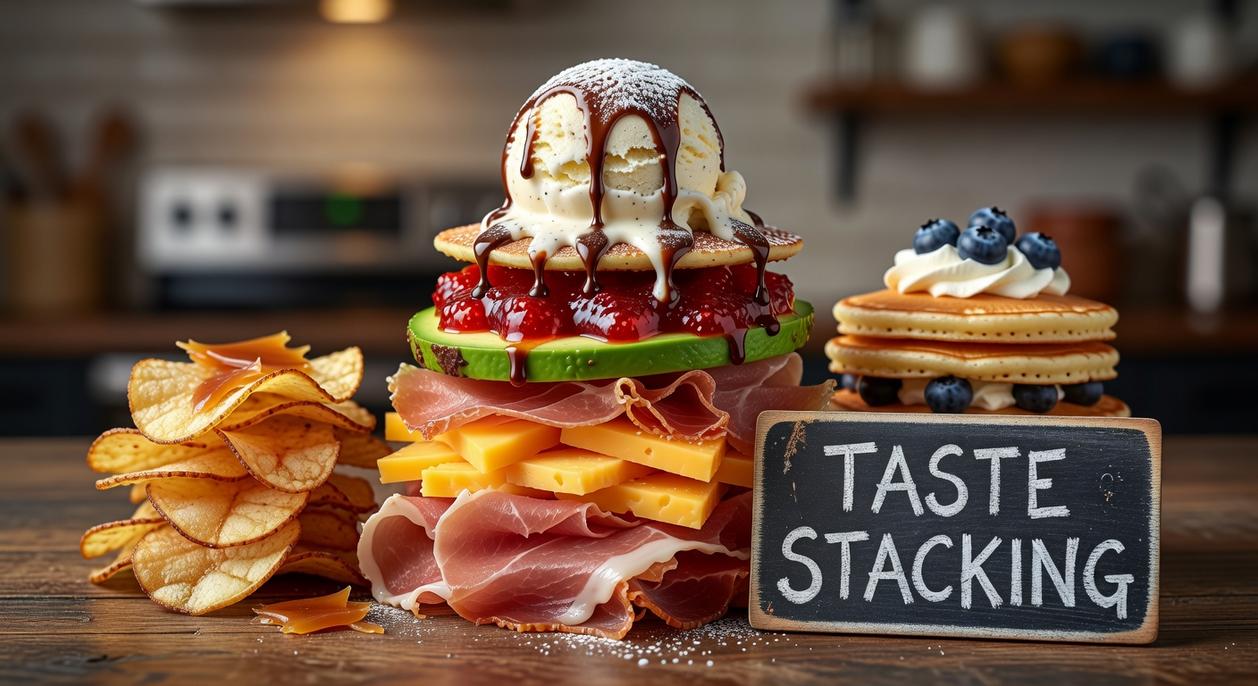
“Midway through the cook is when the dish starts telling you what it needs,” said Chef Zuri Ellman, during a recent flavor lab session. “You just have to listen—and taste.”
This stage is where transformations really begin. Seasoning in stages isn’t just fancy chef talk—it’s flavor strategy. Salt draws out moisture, yes, but more importantly, it coaxes flavor from within the ingredients (think of it as unlocking potential rather than just sprinkling on flavor). Too much salt up front, though? You’re left with a dish that peaks too early—flat and overbearing.
Now’s the moment for the Flavor Layering magic. Taste what you’ve built so far.
Too rich? Drop in a splash of vinegar or lemon. Chef Andre Marcos puts it plain: “Fat naps without acid—wake it up.” Too bitter? A pinch of sugar or a dollop of miso can round it out. And if it’s bland? Dial up umami. Think soy sauce, mushrooms, or even anchovy (don’t knock it till you try it).
Don’t forget heat. Midway is prime time for background warmth—chili flakes, pepper, or fresh ginger—enough to thread through each bite without shouting.
Pro Tip: Taste from the pot, not just the spoon. Let it cool for a few seconds—flavors show their true selves at lower temps.
Stage 4: The Finishing Touches – Brightness, Freshness, and Aroma
So you’ve simmered, sautéed, and seasoned. The flavors are rich, the textures locked in. But before you plate, there’s one critical step left: flavor layering.
Here’s where many dishes go from good to can’t-stop-eating-this.
Some people believe once the heat’s off, it’s done. But ignoring this final stage? That’s like scoring a touchdown and skipping the celebration dance. Why leave those bonus points on the table?
Let’s break it down:
| Element | Why It Matters | When to Add |
|---|---|---|
| Delicate Flavors | Volatile compounds (like citrus zest, vanilla, fresh garlic) break down fast. |
OFF the heat—always last. |
| Acidity | Lemon juice or vinegar lifts heavy flavors. | Right at the end—taste and adjust.|
| Fresh Herbs | Think parsley, cilantro, basil—fragile but mighty. | Sprinkle just before serving. |
| Finishing Fats | High-end oils or butter give luxurious mouthfeel. | Drizzle as a final touch. |
Pro Tip: Add herbs with your fingers, not straight from the cutting board. Releases oils better (and you look cooler doing it).
Still not convinced? Imagine a street taco without cilantro or lime—it’s fine, but also… why?
So go ahead—add that squeeze, that swirl, that sprinkle. It’s your dish’s mic drop moment.
From Cook to Flavor Architect
Most home cooks follow instinct—but instinct alone isn’t enough when your dish still tastes flat.
What you were missing was structure. You didn’t need more ingredients—you needed flavor layering.
Now you have it: a simple, powerful four-stage framework that takes your cooking from guesswork to intention. This isn’t theory. It’s science-backed and flavor-proven.
By sequencing your flavors the right way, you’re not just seasoning food—you’re crafting experiences. No more muddled meals or overwhelming spice. Every ingredient now has a purpose and moment to shine.
You came here looking to elevate your cooking. You got the method to do exactly that.
Here’s your next move: Practice this approach in your next dish. Start with base notes, then sharpen, build, and finish. Pay close attention to how each layer enhances the one before it.
This is more than a tip—it’s your gateway to mastery. Flavor layering is how everyday cooks become trusted creators. Ready to take the next step? Start cooking with sequence—taste the difference tonight.

 There is a specific skill involved in explaining something clearly — one that is completely separate from actually knowing the subject. Michaelgelo Urbinara has both. They has spent years working with modern food trends and insights in a hands-on capacity, and an equal amount of time figuring out how to translate that experience into writing that people with different backgrounds can actually absorb and use.
Michaelgelo tends to approach complex subjects — Modern Food Trends and Insights, Kitchen Prep Hacks, Dosage Fusion Cuisine Explorations being good examples — by starting with what the reader already knows, then building outward from there rather than dropping them in the deep end. It sounds like a small thing. In practice it makes a significant difference in whether someone finishes the article or abandons it halfway through. They is also good at knowing when to stop — a surprisingly underrated skill. Some writers bury useful information under so many caveats and qualifications that the point disappears. Michaelgelo knows where the point is and gets there without too many detours.
The practical effect of all this is that people who read Michaelgelo's work tend to come away actually capable of doing something with it. Not just vaguely informed — actually capable. For a writer working in modern food trends and insights, that is probably the best possible outcome, and it's the standard Michaelgelo holds they's own work to.
There is a specific skill involved in explaining something clearly — one that is completely separate from actually knowing the subject. Michaelgelo Urbinara has both. They has spent years working with modern food trends and insights in a hands-on capacity, and an equal amount of time figuring out how to translate that experience into writing that people with different backgrounds can actually absorb and use.
Michaelgelo tends to approach complex subjects — Modern Food Trends and Insights, Kitchen Prep Hacks, Dosage Fusion Cuisine Explorations being good examples — by starting with what the reader already knows, then building outward from there rather than dropping them in the deep end. It sounds like a small thing. In practice it makes a significant difference in whether someone finishes the article or abandons it halfway through. They is also good at knowing when to stop — a surprisingly underrated skill. Some writers bury useful information under so many caveats and qualifications that the point disappears. Michaelgelo knows where the point is and gets there without too many detours.
The practical effect of all this is that people who read Michaelgelo's work tend to come away actually capable of doing something with it. Not just vaguely informed — actually capable. For a writer working in modern food trends and insights, that is probably the best possible outcome, and it's the standard Michaelgelo holds they's own work to.