
In today’s kitchens, innovation rarely comes from a lone chef working in isolation.
If you’ve ever considered teaming up in the kitchen but weren’t sure how to make it work—you’re not alone. Sharing a stove is one thing. Sharing vision, risk, and control? That’s another challenge entirely.
That’s why this article zeroes in on chef collaborations—what makes them succeed, why they often don’t, and how to navigate the delicate balance of shared creativity and business acumen.
We’ve analyzed dozens of successful culinary duos to identify exactly what separates thriving partnerships from the ones that burn out. From structuring agreements to aligning creative visions and managing conflict, this guide gives you the blueprint.
If you’re ready to build a culinary partnership that actually works, start here.
Beyond the Brigade: Defining the Modern Chef Partnership
Let’s be honest—there’s no single blueprint for the “perfect” chef partnership. Ask five chefs what collaboration means to them, and you’ll probably get five different (and passionately argued) answers. And that’s kind of the point.
Today’s culinary world isn’t confined to old-school brigades or rigid kitchen hierarchies. Instead, chef collaborations come in many forms, each offering its own potential—and yes, a fair amount of uncertainty.
- Restaurant Co-Ownership sounds simple until you’re two visions deep in a menu overhaul. Shared equity can lead to shared headaches.
- Pop-Up & Residency Collaborations are exciting, but there’s no guarantee lightning strikes twice (or sells out). Still, it’s a great low-risk test kitchen for big ideas.
- Product Line Development? Tempting, but building a brand together is a full-time hustle. And what happens if palates part ways? (Pro tip: nail down IP ownership before you launch that sauce line.)
- Consulting Ventures can be lucrative, yet tricky. Who defines “success”—the client, or the collaborators?
We don’t have all the answers, and maybe that’s okay. The beauty of modern partnerships? They’re as diverse—and messy—as the kitchens they’re cooked up in.
Two Toques Are Better Than One: The Strategic Advantages of Partnering
Let me take you back to the first pop-up I ever co-ran—a tiny, smoky kitchen squeezed behind a barbershop (yes, really). I was pulling twelve-hour days trying to juggle menu planning, sourcing, social media, and plating. It wasn’t until Chef Nina joined me, bringing her pastry genius and a calm, tactical mind, that things finally clicked.
Creative synergy? We lived it. Her citrus-lavender glaze on my smoky duck breast drew a line out the door. That fusion—her light, floral elegance mixed with my bold, umami punch—created a flavor profile neither of us would’ve dreamed up solo.
Some argue solo ventures give you full freedom. Fair—but full control won’t matter if you’re completely burned out (trust me, caffeine only takes you so far). A strong partner helps lighten the load and broadens the vision.
Financially? Two wallets are better than one. We were able to secure a small investor round just by presenting as a duo with complementary strengths. Banks liked the balance; so did the early backers.
And from a brand perspective, chef collaborations gave us double the reach. Nina’s loyal pastry fans met my fire-and-ferment tribe—and our brand took off faster than we expected.
Pro tip: If you’re vetting a potential partner, do a test dinner service first. The kitchen stress test reveals all.
The Recipe for Success: A Blueprint for a Lasting Partnership
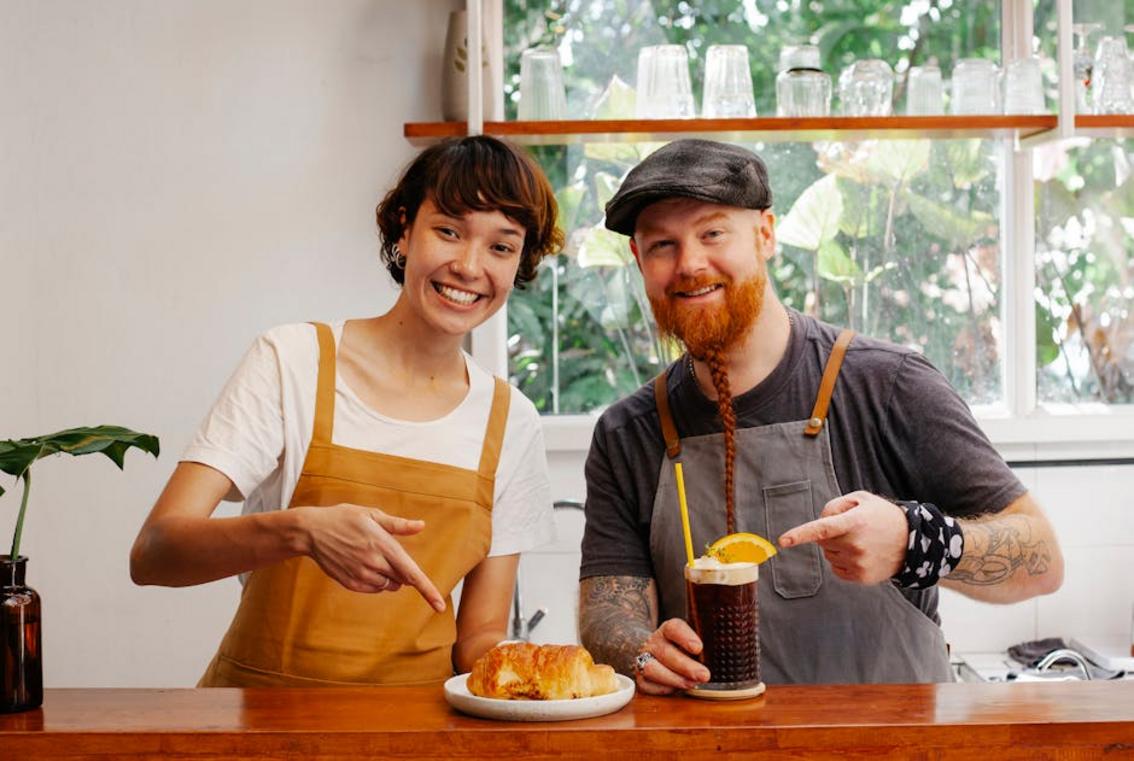
Let’s get one thing straight: just because two talented people love food doesn’t mean they should open a restaurant together.
In fact, the romanticized idea that “passion is all you need” might be the fastest route to burnt bridges—right next to burnt crème brûlée. While passion matters, a successful partnership is intentionally crafted. It’s more blueprint than blind leap—and that’s where this framework comes in.
Some argue you should just jump into action and figure things out as you go. They’ll say that paperwork and planning sap creativity. But here’s the thing: creativity thrives when there’s structure, not chaos (ever tried plating a five-course meal during a fire drill? Not exactly fine dining).
Step 1: Align on the Core Vision
Think beyond the latest food trend and ask: Do we even want the same future? Brutally honest conversations—around brand identity, culinary philosophy, and long-term goals—help you know whether this is a true fusion or a recipe for friction.
Step 2: Define Roles with Precision
Vague job descriptions are relationship poison. Instead, get granular. Who sources ingredients? Who runs point during service? Who handles TikTok (yes, social presence matters)? Pro tip: Treat this like mise en place—everything in its place, or chaos reigns.
Step 3: The Legal ‘Mise en Place’
Here’s where most dreamers tap out. But not you. With a lawyer, draft documents that cover equity, profits, contributions—and especially the exit strategy. (Spoiler: Even chef collaborations don’t last forever.)
Step 4: Establish Communication Protocols
Real talk isn’t optional. Regular meetings, creative syncs, and conflict check-ins should be baked into your calendar. Choose how you’ll disagree before you actually do.
Step 5: The Pilot Project
Forget the 3,000-square-foot lease—for now. Try a fearless pop-up or a joint catering gig. It’s the culinary version of dating before marriage (and yes, the cleanup counts as part of the test).
The truth? Great partnerships are plated with precision, not passion alone.
Too Many Cooks: Navigating the Common Pitfalls
They say too many cooks spoil the broth—but chefs know it’s never that simple.
Yes, kitchen collaborations can go sour (pun fully intended). But spotting the friction points early gives you a serious edge. Awareness isn’t just self-help fluff—it’s your secret sauce for success.
Let’s break it down.
Ego and Creative Clashes: You’ve probably seen it on every season of Top Chef. Two powerhouses clash over plating or concept, and suddenly the vibe goes from Michelin star to kitchen nightmare. A clear workflow—who leads on what—prevents that. Defined roles = fewer flame wars.
Financial Disagreements: Money fights can torch even the hottest food trucks. Whether it’s pay, profits, or reinvestment strategies, iron it out early. A solid agreement isn’t just legal armor—it’s peace of mind when tensions rise.
Unequal Work Ethic: One partner’s pounding out prep while the other’s MIA? That resentment simmers fast. Built-in accountability from day one makes expectations clear and fair. (No more vague “I thought you were handling it.”)
Diverging Long-Term Goals: Maybe one cook dreams of five new locations; the other just wants a thriving neighborhood spot. Weekly check-ins can catch these misalignments early—and recalibrate. Long-term harmony beats short-term hustle every time.
Pro tip: Use regular strategy sessions (honestly, 20 minutes with coffee can do wonders) to realign when visions drift.
Bottom line? Kitchen partnerships don’t have to crumble. With intentional planning, chef collaborations can serve serious staying power—and delicious results.
As these innovative chef collaborations continue to bridge culinary divides, they not only highlight the artistry of cooking but also pave the way for a deeper appreciation of regional cuisines, as explored in our article ‘The Rise of Regional Cuisines in Global Kitchens‘.
The Final Plate: Forging a Culinary Legacy Together
You came here looking for clarity on how to build a thriving partnership in the kitchen—and now, you have the full recipe.
We’ve explored how chef collaborations can elevate not just dishes, but entire culinary careers. You’ve seen the structure it takes, the conversations that matter, and the mistakes too many make when they rush in.
Your biggest worry—conflict threatening your dream—is real. But it’s not fatal. A well-built partnership doesn’t eliminate tensions; it transforms them into momentum.
Here’s what to do next: Frame your partnership with clarity and intention. Define your roles. Put agreements in writing. Use the strategies outlined here to build trust and resilience.
Thousands of chefs have used this approach to launch restaurants that last. You can too.
Don’t leave your future to chance—build your legacy with purpose.

 There is a specific skill involved in explaining something clearly — one that is completely separate from actually knowing the subject. Michaelgelo Urbinara has both. They has spent years working with modern food trends and insights in a hands-on capacity, and an equal amount of time figuring out how to translate that experience into writing that people with different backgrounds can actually absorb and use.
Michaelgelo tends to approach complex subjects — Modern Food Trends and Insights, Kitchen Prep Hacks, Dosage Fusion Cuisine Explorations being good examples — by starting with what the reader already knows, then building outward from there rather than dropping them in the deep end. It sounds like a small thing. In practice it makes a significant difference in whether someone finishes the article or abandons it halfway through. They is also good at knowing when to stop — a surprisingly underrated skill. Some writers bury useful information under so many caveats and qualifications that the point disappears. Michaelgelo knows where the point is and gets there without too many detours.
The practical effect of all this is that people who read Michaelgelo's work tend to come away actually capable of doing something with it. Not just vaguely informed — actually capable. For a writer working in modern food trends and insights, that is probably the best possible outcome, and it's the standard Michaelgelo holds they's own work to.
There is a specific skill involved in explaining something clearly — one that is completely separate from actually knowing the subject. Michaelgelo Urbinara has both. They has spent years working with modern food trends and insights in a hands-on capacity, and an equal amount of time figuring out how to translate that experience into writing that people with different backgrounds can actually absorb and use.
Michaelgelo tends to approach complex subjects — Modern Food Trends and Insights, Kitchen Prep Hacks, Dosage Fusion Cuisine Explorations being good examples — by starting with what the reader already knows, then building outward from there rather than dropping them in the deep end. It sounds like a small thing. In practice it makes a significant difference in whether someone finishes the article or abandons it halfway through. They is also good at knowing when to stop — a surprisingly underrated skill. Some writers bury useful information under so many caveats and qualifications that the point disappears. Michaelgelo knows where the point is and gets there without too many detours.
The practical effect of all this is that people who read Michaelgelo's work tend to come away actually capable of doing something with it. Not just vaguely informed — actually capable. For a writer working in modern food trends and insights, that is probably the best possible outcome, and it's the standard Michaelgelo holds they's own work to.