We’re standing at a turning point in how flavor is created, understood, and experienced in the kitchen.
If you’ve been wondering which new food trends will actually transform the way we cook—and which are just passing distractions—you’re not alone. With so many innovations flooding the culinary world, it’s hard to tell what really matters.
That’s why this article focuses on what’s real and what’s next. We’ve analyzed the latest shifts in global taste, sourced directly from today’s most experimental kitchens, to decode the flavor movements that are reshaping modern gastronomy.
You’ll get a deep dive into culinary movements that are more than buzzwords—like precision flavor-blending, sustainable sourcing, and the rise of concept-driven cooking. These aren’t forecasts. They’re happening now.
This guide is built to help chefs and culinary thinkers stay ahead of the curve. No hype. Just a clear view of the future of flavor—and how to harness it today.
Trend #1: The Rise of “Dosage Fusion” Cuisine
Let’s clear something up: this isn’t your typical fusion food.
Dosage Fusion is more precise, more calculated. Think of it as culinary acupuncture—just the right amount of one tradition infused into another to unlock something entirely fresh. It’s not about blending boundaries until things become unrecognizable (looking at you, TikTok ramen tacos), but about deliberate elevation.
Take this for example: a traditional French Bordelaise sauce—silky, wine-rich, beefy. Now add a micro-dose of fermented black bean paste. Suddenly, a depth emerges that wasn’t there before. It’s unexpected, but not chaotic. Calculated, yet creative. Unlike traditional fusion, there’s zero intention of overpowering—only enhancing.
This movement values restraint. The end goal? Flavor profiles dialed in with surgical precision, resulting in dishes that feel wildly new without sacrificing identity.
As for what’s next? Here’s a prediction: culinary movements will increasingly revolve around precision over experimentation. Chefs may soon start relying on data, even AI, to calibrate their “dosages”—creating dishes that taste algorithmically perfect (yes, we said it).
Pro Tip: Start small. Dosage isn’t splashy—it’s subtle. Less is always more.
Trend #2: Hyper-Localism and Micro-Seasonality
Forget “farm-to-table”—this is garden-to-plate, sometimes window-box-to-pan. Hyper-localism takes sourcing to the extreme, relying on herbs, produce, and even edible flowers harvested from on-site gardens, rooftop beds, or neighborhood foraging walks (yes, that patch of dandelions down the street might be dinner).
Real-world example? At Blue Hill at Stone Barns in New York, menus are crafted daily based on what’s ready that morning from their greenhouse. One day it’s baby turnips—gone by lunchtime the next.
Micro-seasonality, meanwhile, adds a ticking clock to the plate. Ingredients are used at their absolute flavor apex—sometimes for mere days. That shiso leaf or sea bean might only shine for 72 hours, then disappear until next year.
Pro Tip: Create a calendar of your local growing patterns. Even in urban apartments, knowing when rooftop tomatoes are at peak can upgrade your basic salad from “meh” to “memory.”
This is culinary movements in motion—food as a real-time expression of place and moment. Flavor becomes a snapshot you’ll never taste the same way twice.
Trend #3: Advanced Fermentation and Koji Alchemy
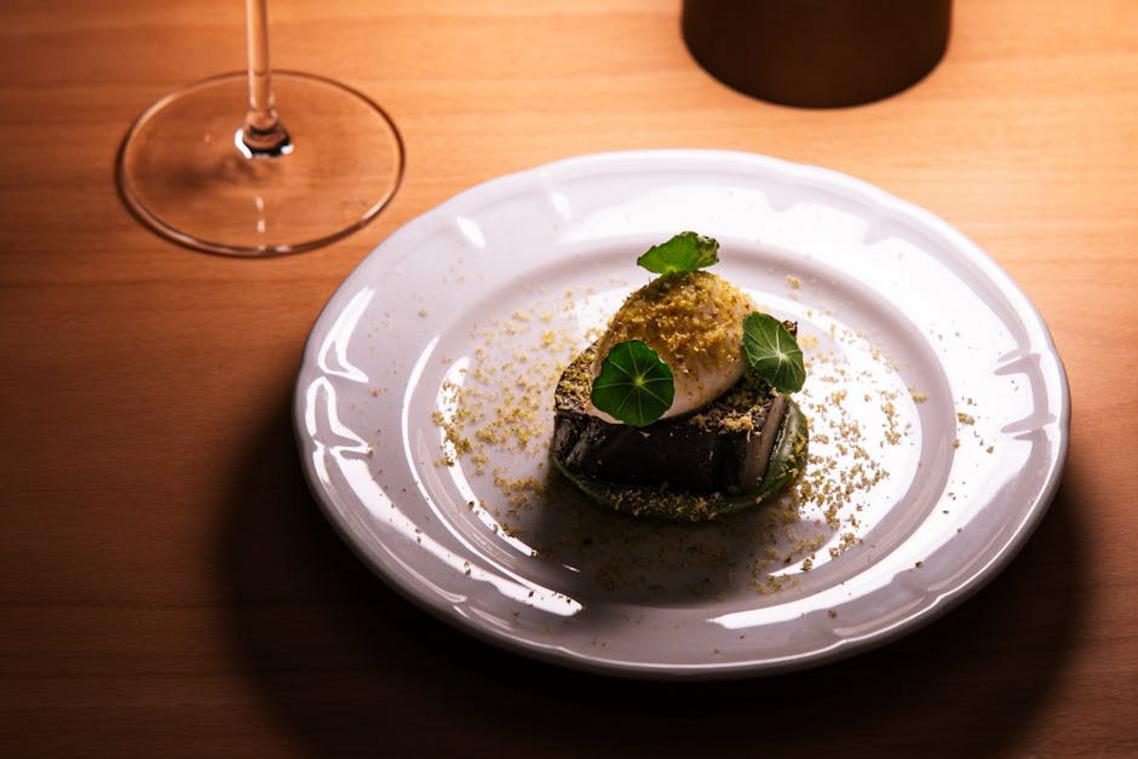
Think fermentation starts and ends with kombucha or kimchi? That’s cute.
The latest wave dives deeper—way deeper—into the world of koji, a mold (yes, a noble fungus) traditionally used in Japanese cuisine. Now it’s transforming kitchens across the globe.
Koji alchemy isn’t just about aging soy sauce or miso anymore. Chefs are fermenting everything from beef trimmings to old sourdough to craft house-made garum—a punchy, umami-rich sauce once made from fermented fish by ancient Romans. (Your Caesar salad owes it everything.)
Pro tip: Want to try this at home? Start with koji rice from a specialty store. Inoculate vegetables like carrots or beets to deepen their flavor in just a few days.
In modern kitchens, this fermentation technique shows up in unexpected places—think cured meats with mushroom garum marinade, or even chocolate tarts laced with fermented banana paste for that fifth taste dimension.
Thanks to this shift and ongoing culinary movements, expect umami to show up not just in savory dishes but co-starring in sweets too. (Yes, dessert just got fermented.)
Trend #4: The Intelligent Kitchen and Modern Prep Hacks
Let’s be honest—cooking isn’t what it used to be. And I mean that in the best way possible.
Some traditionalists scoff at the rise of high-tech tools in the kitchen, arguing they strip away the soul of cooking. I disagree. Just because you’re using a centrifuge to clarify a consommé doesn’t mean you’re cheating—it means you’re leveling up. (Think of it like upgrading from a flip phone to a smartphone; you’re still making the call, just way more efficiently.)
Honestly, we’ve reached the point where tech isn’t replacing creativity—it’s unlocking it. Blast chillers let you set desserts in minutes, not hours. Anti-griddles can turn sauces into shards. What used to be day-long processes are now fifteen-minute prep hacks. And you know what that means? More time for innovation, less time babysitting a bain-marie.
Then there’s artificial intelligence. Some call it creepy. I call it a powerful sous-chef. AI flavor-pairing engines like IBM’s Chef Watson once amazed us by suggesting combos like strawberries and mushrooms—and some of them actually worked. (Hey, don’t knock it ’til you’ve tried it.)
All this might not sit well with purists. But the culinary movements happening now are about reinvention, not rebellion.
Trend #5: Sustainability as a Flavor Driver
Zero-waste cooking isn’t just for the ultra-committed eco-foodie anymore—it’s becoming a mainstay in top kitchens for one tasty reason: flavor. Chefs are discovering that what was once tossed in the bin can be turned into ingredients that add serious depth to dishes.
Take Root-to-Leaf cooking. Those beet greens you used to throw out? Sauté them with garlic and vinegar for a tangy topping to roasted root veggies. Carrot tops? Blitz them into a zesty pesto. (They’ve got a surprising bite, like parsley with attitude.)
Nose-to-Tail eating applies the same principle to meat. Instead of tossing fish bones, simmer them down into a fragrant oil for drizzling over risotto. Got stale bread? Ferment it into a savory bread miso that adds umami to dressings and marinades. (Seriously—it’s next-level.)
Pro tip: Save your onion skins. Toast them and steep in hot water for a broth base that gives soups a golden hue and deep aroma.
This zero-waste mindset doesn’t restrict—it unlocks flavor. Chefs call it the taste of ingenuity: layered complexity that comes from using every part. It’s no wonder this approach is influencing modern culinary movements worldwide.
I launched this guide because culinary innovation has been drifting toward spectacle—tech for tech’s sake, flavors assembled without thought. But diners today crave something deeper.
We’ve explored where food is heading: precise Dosage Fusion, Hyper-Localism, advanced fermentation, tech-driven creativity, and flavor-focused sustainability. These aren’t just trends—they’re signals of a future rooted in clear intent and deeper flavor.
You came here looking to understand the future of food. Now that vision is yours—less flash, more purpose. Thoughtful technique over gimmicks.
What’s next? Start spotting these principles on the plate. Try experimenting with one of them in your own kitchen, even in subtle ways.
The Future Is Intentional—Cook Like It
Those empty trends? They’re falling away. Diners want intent they can taste.
Use these movements as your compass. Challenge yourself to fuse flavors with precision, source hyper-locally, or test fermentation at a deeper level.
Ready to embrace it? Start with Dosage Fusion, the most talked-about method in flavor design today. It’s how top chefs are rethinking balance—from broth to dessert.
We’re seeing kitchens change because of it. So can yours. Try it. Taste the difference.

 There is a specific skill involved in explaining something clearly — one that is completely separate from actually knowing the subject. Michaelgelo Urbinara has both. They has spent years working with modern food trends and insights in a hands-on capacity, and an equal amount of time figuring out how to translate that experience into writing that people with different backgrounds can actually absorb and use.
Michaelgelo tends to approach complex subjects — Modern Food Trends and Insights, Kitchen Prep Hacks, Dosage Fusion Cuisine Explorations being good examples — by starting with what the reader already knows, then building outward from there rather than dropping them in the deep end. It sounds like a small thing. In practice it makes a significant difference in whether someone finishes the article or abandons it halfway through. They is also good at knowing when to stop — a surprisingly underrated skill. Some writers bury useful information under so many caveats and qualifications that the point disappears. Michaelgelo knows where the point is and gets there without too many detours.
The practical effect of all this is that people who read Michaelgelo's work tend to come away actually capable of doing something with it. Not just vaguely informed — actually capable. For a writer working in modern food trends and insights, that is probably the best possible outcome, and it's the standard Michaelgelo holds they's own work to.
There is a specific skill involved in explaining something clearly — one that is completely separate from actually knowing the subject. Michaelgelo Urbinara has both. They has spent years working with modern food trends and insights in a hands-on capacity, and an equal amount of time figuring out how to translate that experience into writing that people with different backgrounds can actually absorb and use.
Michaelgelo tends to approach complex subjects — Modern Food Trends and Insights, Kitchen Prep Hacks, Dosage Fusion Cuisine Explorations being good examples — by starting with what the reader already knows, then building outward from there rather than dropping them in the deep end. It sounds like a small thing. In practice it makes a significant difference in whether someone finishes the article or abandons it halfway through. They is also good at knowing when to stop — a surprisingly underrated skill. Some writers bury useful information under so many caveats and qualifications that the point disappears. Michaelgelo knows where the point is and gets there without too many detours.
The practical effect of all this is that people who read Michaelgelo's work tend to come away actually capable of doing something with it. Not just vaguely informed — actually capable. For a writer working in modern food trends and insights, that is probably the best possible outcome, and it's the standard Michaelgelo holds they's own work to.