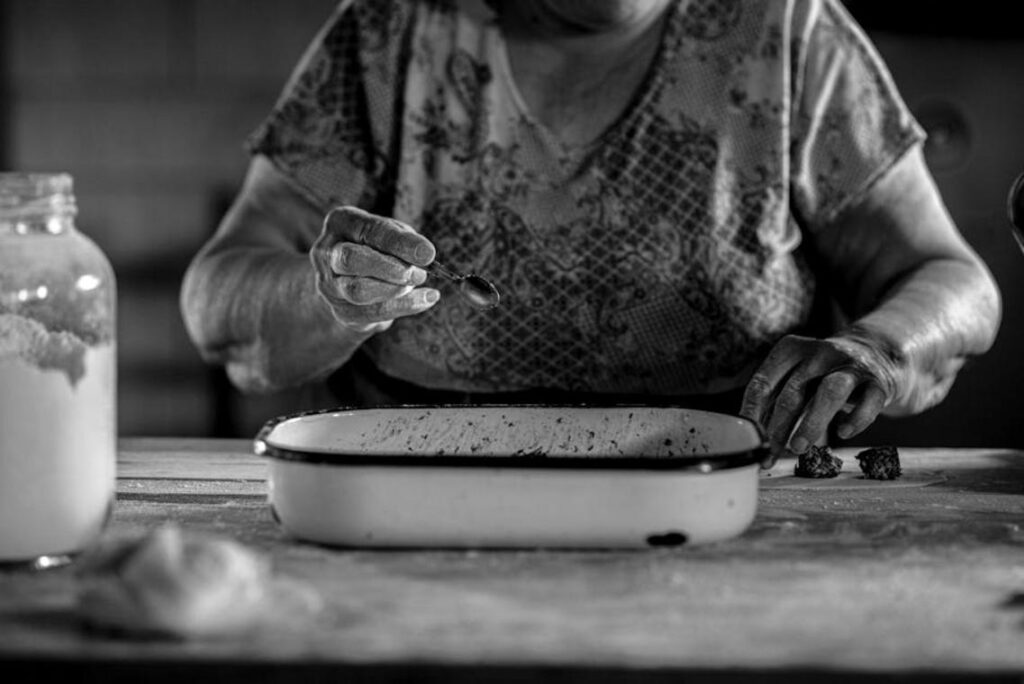
You’ve probably cooked thousands of meals—but how often have you paused to wonder what story your dish is telling?
If you’re here, you’re likely craving more than just flavor. You’re looking for meaning. For connection. For a way to understand how the meals on your plate carry the soul of a place, a time, even a person.
This article reveals how every traditional recipe—a grandmother’s stew, a street vendor’s snack, a festival dessert—holds a hidden narrative. You’ll learn how to recognize those stories and how to bring your own experiences into the kitchen through culinary storytelling.
Grounded in deep food history and flavor theory, what you’ll find here isn’t fluff. It’s a guide to tasting memory, culture, and identity—one bite at a time.
The Anatomy of a Recipe’s Narrative
Let’s get one thing straight: a recipe is never just a list of ingredients.
It’s a cultural time capsule, a GPS tracker, and sometimes, even a love letter—all folded into one. When we start to see recipes as records of history, every step and seasoning takes on deeper meaning.
More Than a List of Ingredients
Think of recipes as culinary storytelling. In essence, they’re documents—oral traditions recorded in teaspoons. A dish like mole poblano isn’t just noted for its complexity; it’s a blend of Old and New World ingredients (hello, chili peppers and chocolate) echoing centuries of colonization and trade.
Flavor as a Fingerprint
Certain spice blends map directly to regions. Garam masala? North Indian kitchens. Herbes de Provence? French countryside. Even basic staples, like corn in Latin America or potatoes in Eastern Europe, root dishes to soil, weather, and centuries of local agriculture.
Technique as a Time Capsule
Fermentation, smoking, sun-drying—these aren’t just cooking methods, they’re adaptations to geography and survival. (Pro tip: That jar of kimchi in your fridge? A Korean winter prep strategy turned probiotic gold.)
The Story in a Name
Names matter. Ratatouille speaks of peasant roots and seasonal abundance; Shepherd’s Pie? A functional dish built from scraps to fuel a working-class life. The name tells the tale, even before you take a bite.
Tracing a Dish’s Journey Through Time: The Odyssey of a Curry
Let’s be clear—curry is not a monolith. And the sooner we stop treating it as a one-pot-fits-all phenomenon, the better we can appreciate its wild, wonderful evolution.
Some argue that the dish has been diluted in meaning—especially in the West—becoming shorthand for anything vaguely spicy or stew-like. I disagree. The term’s elasticity is its strength. That adaptability is what kept curry alive from ancient Ayurvedic kitchens to late-night takeout joints in Shoreditch. Culinary storytelling in the section once exactly as it is given.
Think of the origins: spice-laced stews designed not just for flavor, but for function—cooling turmeric, digestion-aiding cumin, and immunity-boosting ginger. These early forms were closer to medicine cabinets than recipes, and honestly, they nailed it. (Hot take: turmeric lattes owe everything to 3,000-year-old Indian grandmothers.)
Then came movement—colonial ships, overland routes, wandering cooks. Along the way, curry wasn’t just exported; it was localized. Thai Green Curry leans heavily on lemongrass and coconut milk. Japanese Katsu Curry gets a breaded, Westernized twist. And British Tikka Masala? Let’s call it what it is: a love letter from immigrants to a land trying to understand spice—one creamy tomato base at a time.
Still, not everyone sees fusion as progress. Some purists say it waters down centuries of tradition. Fair, but I’d argue it adds layers. Just take a look at how chefs are blending science and cooking for innovation. Tradition isn’t fragile. It’s foundational.
Today’s chefs are remixing curry in ways that would make both ancestors and Instagram followers proud. Whether it’s sous-vide masalas or curry-filled ravioli, they’re proving that this dish, in all its forms, is still mid-journey—and always worth following.
Becoming a Culinary Storyteller: Your Kitchen, Your Narrative
Let’s challenge a popular foodie belief: that authenticity in cooking means strict adherence to tradition.
Honestly? That mindset can be more limiting than liberating.
Culinary storytelling isn’t about replicating your grandmother’s lasagna down to the molecule. It’s about using that dish as a foundation—and then adding your chapter to it.
Take the idea of “Dosage Fusion.” Some purists scoff at blending cuisines, calling it culinary confusion. But introducing, say, yuzu zest into a traditional crème brûlée doesn’t destroy the dish—it evolves it. (And your taste buds won’t complain.)
Balancing Flavors isn’t some mystical skill exclusive to chefs on cooking shows. In fact, too much emphasis is put on perfect ratios. What matters more? Balance of intent. Are you trying to highlight contrast or harmony?
- Add a sour to brighten
- Introduce bitterness to tame sweetness
- Use heat to create depth, not dominance
Blending Stories is also misunderstood. Common advice says to never mix cooking traditions unless you’re “trained.” We disagree. Use a familiar French braise technique on oxtail but flavor it with West African suya spice rub. That’s not confusion—it’s a dialogue.
Plating as the Final Sentence often gets treated as aesthetics over substance. But it’s the punctuation mark on your story. A scattered, rustic layout? That’s a heartfelt memoir. A minimalist, geometric plating? A modern poem.
Pro Tip: Start by plating off-center—it subconsciously signals modernity and draws the eye naturally. (Yes, it actually works.)
What you cook should say where you’ve been and where you’re headed—not just echo where someone else came from.
Preserving the Legacy: The Kitchen as a Living Archive
Not every family recipe needs to be embroidered onto an apron or locked in a vault like it’s the culinary Declaration of Independence.
Here’s the contrarian truth: just cooking the meal isn’t enough to preserve the legacy. People often say, “As long as I make it, the story lives on.” But memories fade. Details vanish. And that splash of vinegar your aunt swore she never added? It disappears with her if no one writes it down. (Spoiler: she definitely added vinegar.)
Oral and written histories—notes in margins, sauce-splattered notebooks, even voice memos—are archival gold. Without them, the secret sauce becomes just… sauce.
Now, some argue that sharing grandma’s pie recipe on Instagram dilutes its meaning. But here’s the thing: history hoarded is history forgotten. The modern scribe uses blogs and video logs to carry flavor and folklore across digital generations. (Yes, TikTok cinnamon rolls count.)
Culinary storytelling in the section once exactly as it is given.
Because every time you plate that familiar dish, you’re not just feeding someone—you’re remembering someone.
As culinary storytelling elevates restaurant menus by weaving together rich narratives behind each dish, it also encourages chefs to delve deeper into techniques, making resources like “Prepping Proteins: From Marination to Sous-Vide Made Simple” invaluable for those looking to enhance their culinary creations.
Your Next Meal is a Conversation
Food has always been more than fuel. It’s history you can taste, heritage you can touch, and culture you can share.
In this short guide, we showed how every step in the kitchen—from the choice of ingredients to the way you plate—contributes to a story. Cooking isn’t just about what you make; it’s about what it means.
You came here to find deeper value in your meals. You now understand that culinary storytelling turns any dish into a dialogue between past and present, culture and creativity.
The next time you cook, don’t just follow a recipe. Ask yourself: What tradition am I honoring? What memory am I sparking? What story am I telling?
Here’s what to do next: Reflect on your ingredients. Explore their origins. Sketch your next menu with meaning. Let culinary storytelling guide you. That’s how dinner becomes more than a dish—it becomes a message worth sharing.
What story will your next dish tell?

 Matthew Gordonidels has opinions about kitchen prep hacks. Informed ones, backed by real experience — but opinions nonetheless, and they doesn't try to disguise them as neutral observation. They thinks a lot of what gets written about Kitchen Prep Hacks, Hidden Gems, Culinary Pulse is either too cautious to be useful or too confident to be credible, and they's work tends to sit deliberately in the space between those two failure modes.
Reading Matthew's pieces, you get the sense of someone who has thought about this stuff seriously and arrived at actual conclusions — not just collected a range of perspectives and declined to pick one. That can be uncomfortable when they lands on something you disagree with. It's also why the writing is worth engaging with. Matthew isn't interested in telling people what they want to hear. They is interested in telling them what they actually thinks, with enough reasoning behind it that you can push back if you want to. That kind of intellectual honesty is rarer than it should be.
What Matthew is best at is the moment when a familiar topic reveals something unexpected — when the conventional wisdom turns out to be slightly off, or when a small shift in framing changes everything. They finds those moments consistently, which is why they's work tends to generate real discussion rather than just passive agreement.
Matthew Gordonidels has opinions about kitchen prep hacks. Informed ones, backed by real experience — but opinions nonetheless, and they doesn't try to disguise them as neutral observation. They thinks a lot of what gets written about Kitchen Prep Hacks, Hidden Gems, Culinary Pulse is either too cautious to be useful or too confident to be credible, and they's work tends to sit deliberately in the space between those two failure modes.
Reading Matthew's pieces, you get the sense of someone who has thought about this stuff seriously and arrived at actual conclusions — not just collected a range of perspectives and declined to pick one. That can be uncomfortable when they lands on something you disagree with. It's also why the writing is worth engaging with. Matthew isn't interested in telling people what they want to hear. They is interested in telling them what they actually thinks, with enough reasoning behind it that you can push back if you want to. That kind of intellectual honesty is rarer than it should be.
What Matthew is best at is the moment when a familiar topic reveals something unexpected — when the conventional wisdom turns out to be slightly off, or when a small shift in framing changes everything. They finds those moments consistently, which is why they's work tends to generate real discussion rather than just passive agreement.