
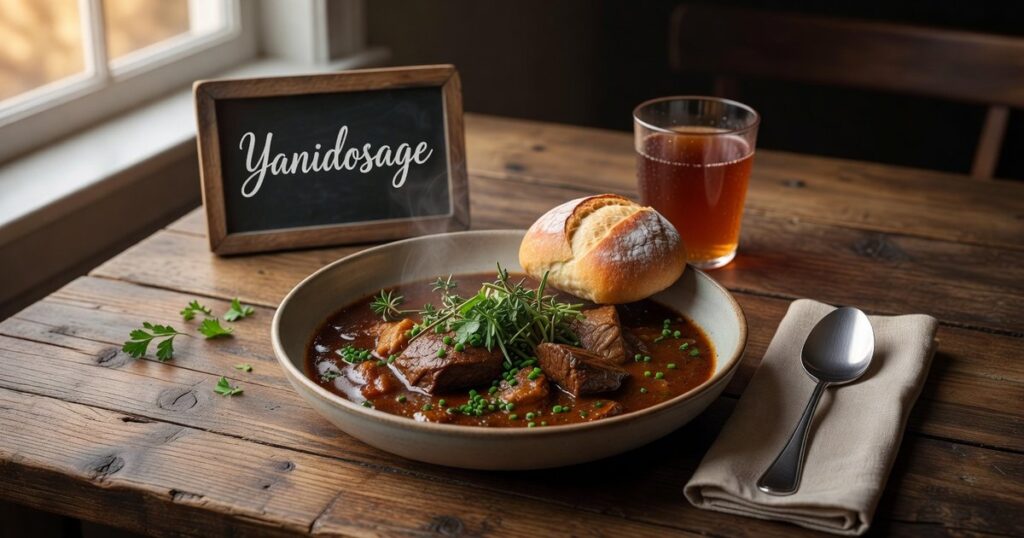
Have you ever wanted a meal that feels like home but tastes like an adventure?
I created something that does exactly that.
The Yanidosage Bowl just launched. It’s not another trendy menu item that’ll disappear in three months. This dish has a real story behind it.
Most restaurant bowls follow the same tired formula. Grain, protein, vegetables, sauce. Done. The Yanidosage Bowl breaks that pattern completely.
I’ve been working on this for years. Testing flavor combinations. Studying how traditional techniques can work with modern tastes. Figuring out what makes a dish memorable instead of just filling.
This article walks you through what makes the Yanidosage Bowl different. You’ll see why each ingredient matters and how the flavors actually work together (not just sit next to each other on a plate).
I’m showing you the thinking behind every choice. The techniques that bring it together. The reason it tastes the way it does.
No secrets. No mystery ingredients. Just honest food done right.
If you’re tired of ordinary menu options, this is what I built for you.
The Roots of Flavor: Honoring Japanese Culinary Tradition
I need to be honest with you.
When I first started studying traditional Japanese rice bowls, I thought I understood them. I’d eaten plenty of donburi. I knew the basics.
But I was wrong.
Here’s what most people miss about Japanese rice bowls. It’s not just about throwing protein over rice and calling it a day. There’s a whole philosophy behind it that goes back centuries.
Let me break this down.
Traditional donburi relies on three things working together. You need the right texture contrast (think crispy tempura meeting soft rice). You need a perfect rice base that’s seasoned but not overpowering. And you need that balance of savory, sweet, and umami that makes your taste buds actually pay attention.
The rice itself? That’s where everything starts. Sushi rice isn’t just regular rice with vinegar dumped on it. It’s carefully seasoned with a mix of rice vinegar, sugar, and salt. The temperature matters. The folding technique matters (you don’t stir it or you’ll crush the grains).
Then there’s tsukemono. That’s the Japanese term for pickled vegetables. These aren’t just garnishes. They cut through rich flavors and reset your palate between bites.
And the sauces? Most are built on dashi, which is a broth made from kombu seaweed and bonito flakes. It gives you that umami depth without being heavy.
Now here’s where it gets interesting.
The Japanese have this concept called washoku. It’s about food harmony. Five colors, five tastes, five senses all working together on one plate.
Sounds complicated, right?
It’s actually pretty simple once you see it in action. A traditional bowl might have white rice, green vegetables, red protein, yellow egg, and black sesame seeds. Each color brings different nutrients and flavors.
This philosophy became my starting point for yanidosage. I wanted to respect these traditions while creating something that worked for how we actually eat today.
Some chefs say you can’t mess with tradition. That adapting these principles for modern tastes is disrespectful.
I disagree.
Understanding the why behind these traditions lets you honor them in new ways. You’re not abandoning the principles. You’re applying them to ingredients and flavors that make sense now. By embracing the concept of Yanidosage, players can infuse traditional gaming narratives with contemporary elements, honoring the essence of the past while creating immersive experiences that resonate with today’s audience. By embracing the concept of Yanidosage, players can breathe new life into classic gaming narratives, intertwining time-honored traditions with the innovative ingredients of modern storytelling.
That’s the difference between copying and actually learning from tradition.
The Fusion Evolution: Crafting a Modern Culinary Signature
I’m going to be straight with you.
Most chefs who talk about fusion are just throwing random ingredients together and calling it innovation.
You’ve seen it. A taco with kimchi because why not. Sushi with sriracha mayo because someone thought it sounded cool.
That’s not what I do at Yanidosage.
I call my approach dosage. It’s about precision. You take a traditional dish and dose it with modern technique or an unexpected ingredient. Just enough to shift the experience without losing what made the original work.
Some purists will tell you this is wrong. They’ll say you should never touch traditional recipes. That adding anything foreign ruins the integrity of the dish.
I get where they’re coming from. I really do.
But here’s what they miss. Food has ALWAYS evolved. The tempura you think of as purely Japanese? That came from Portuguese traders in the 16th century (according to food historians at the Smithsonian). Tradition is just innovation that got old enough for people to forget it was new.
Let me show you what dosage actually looks like.
Take a protein. I’ll cook it sous vide at 132 degrees for exactly 90 minutes. This isn’t about being fancy. It’s about getting wall-to-wall perfect texture that you can’t achieve any other way.
Then I’ll add one unexpected element. Maybe a whisper of aji amarillo from Peru. Not enough to make you think you’re eating Peruvian food. Just enough heat and fruitiness to make you wonder what’s different.
Or I’ll borrow a crispy component from Middle Eastern cooking. Something that adds texture where the original dish had none. For additional context, Buy Yanidosage covers the related groundwork.
The key? RESTRAINT.
One dose per dish. Maybe two if they work together. Never more.
Because the goal isn’t to show off how many cuisines I know. It’s to make something better than what existed before.
Anatomy of the Yanidosage Bowl: A Guided Tasting

Let me walk you through what makes this bowl different.
The Base
Most places just throw white rice in a bowl and call it a day. Not here.
We start with a grain blend that took me months to get right. Short grain rice mixed with farro and a touch of black rice. The color alone tells you something’s different.
Then comes the yuzu-kombu vinaigrette. It’s bright and a little funky in the best way. The yuzu cuts through everything while the kombu adds this savory depth that makes you want another bite before you’ve finished the first one.
The Protein
I’m going to be honest with you. The seared Ahi tuna is what I’d order every single time.
We coat it in a sesame-nori crust before hitting it with high heat. The outside gets this crackly texture while the inside stays cool and buttery. When you bite into it, you get that contrast between the warm crust and the raw center. As I savored the exquisite dish with its crackly sesame-nori crust and cool, buttery center, I couldn’t help but think of the quirky culinary innovations that inspired such flavors, reminding me of the memorable “Weird Food Names Yanidosage” that have emerged in the gaming community. As I pondered the unusual yet delightful combination of flavors in this dish, I couldn’t help but think of the culinary creativity behind “Weird Food Names Yanidosage,” which perfectly encapsulates the playful spirit of modern gastronomy.
The flavor? Clean ocean taste with a toasted nuttiness that doesn’t overpower anything.
The Signature Sauce
Here’s where the yanidosage really comes together.
The sauce is creamy but not heavy. I built it around miso and tahini with a kick of gochugaru. It’s savory first, then you get a slow building heat that doesn’t slap you in the face.
There’s ginger in there too. And something else I’m keeping to myself (you’ll just have to taste it).
The Toppings
This is where texture matters most.
Tempura bits add crunch. Avocado brings creaminess. Spicy radish microgreens give you a sharp bite that wakes everything up. Furikake adds umami and a little more crunch.
Then we finish with quick-pickled shallots. They’re tangy and cut through all the richness.
Every ingredient has a job. Nothing’s just sitting there looking pretty.
Want to know more about what goes into building these flavors? Check out food additives in yanidosage for the breakdown.
The Perfect Pairing: Elevating Your Yanidosage Experience
You’ve got your bowl in front of you.
Now what do you drink with it?
Most people grab whatever’s cold and call it a day. But here’s what I’ve learned after making yanidosage countless times. The right drink changes everything.
For Sake Lovers
Go with a dry Junmai. The clean finish cuts through the richness without fighting the flavors. You want something that resets your palate between bites. For additional context, Is Yanidosage for Breakfast covers the related groundwork.
Wine Drinkers
A Sauvignon Blanc works. The acidity plays nice with yuzu notes and doesn’t overpower the bowl’s balance.
Skip the Alcohol?
Try sparkling yuzu lemonade. Or a good iced green tea if you want something that won’t compete with the food.
Pro Tip: Mix everything together first. You get the full flavor profile that way. But if you want to geek out, taste each component separately on your second bowl. You’ll notice things you missed the first time.
Some chefs say you should never mix a carefully plated dish. They think it disrespects the presentation.
I disagree.
The bowl is designed to come together. That’s the whole point. Sure, admire it for a second. Then dig in and let the flavors do what they’re supposed to do. As you savor the intricate blend of flavors in your bowl, it’s fascinating to consider how the thoughtful use of Food Additives in Yanidosage enhances the overall culinary experience, inviting you to fully immerse yourself in the dish’s delightful harmony. As you savor the intricate blend of flavors in your bowl, it’s fascinating to consider how the thoughtful use of Food Additives in Yanidosage enhances the overall experience, elevating each bite to a new level of culinary delight.
Want more ways to play with flavors? Check out weird food names yanidosage for ideas that actually work.
Your Table is Waiting: Experience the Yanidosage Bowl
You’ve been looking for something different.
Not just another bowl that tastes like everything else on the menu. You want food that actually means something.
The Yanidosage Bowl delivers that.
I created it by pulling from old techniques and mixing them with ideas that push boundaries. It’s not fusion for the sake of being trendy. It’s about respect for where flavors come from and where they can go.
Your search for a meal that’s both satisfying and memorable ends here.
This isn’t food you scroll past. It’s the kind of dish that makes you put your phone down and pay attention.
Here’s what you need to do: Come in and try it yourself. Be one of the first to experience what we’ve been working on. Book a table now or check out the full menu to see what else we’re serving.
The Yanidosage Bowl is ready when you are. Weird Food Names Yanidosage.

 Jexor Zolmuth writes the kind of modern food trends and insights content that people actually send to each other. Not because it's flashy or controversial, but because it's the sort of thing where you read it and immediately think of three people who need to see it. Jexor has a talent for identifying the questions that a lot of people have but haven't quite figured out how to articulate yet — and then answering them properly.
They covers a lot of ground: Modern Food Trends and Insights, Hidden Gems, Dosage Fusion Cuisine Explorations, and plenty of adjacent territory that doesn't always get treated with the same seriousness. The consistency across all of it is a certain kind of respect for the reader. Jexor doesn't assume people are stupid, and they doesn't assume they know everything either. They writes for someone who is genuinely trying to figure something out — because that's usually who's actually reading. That assumption shapes everything from how they structures an explanation to how much background they includes before getting to the point.
Beyond the practical stuff, there's something in Jexor's writing that reflects a real investment in the subject — not performed enthusiasm, but the kind of sustained interest that produces insight over time. They has been paying attention to modern food trends and insights long enough that they notices things a more casual observer would miss. That depth shows up in the work in ways that are hard to fake.
Jexor Zolmuth writes the kind of modern food trends and insights content that people actually send to each other. Not because it's flashy or controversial, but because it's the sort of thing where you read it and immediately think of three people who need to see it. Jexor has a talent for identifying the questions that a lot of people have but haven't quite figured out how to articulate yet — and then answering them properly.
They covers a lot of ground: Modern Food Trends and Insights, Hidden Gems, Dosage Fusion Cuisine Explorations, and plenty of adjacent territory that doesn't always get treated with the same seriousness. The consistency across all of it is a certain kind of respect for the reader. Jexor doesn't assume people are stupid, and they doesn't assume they know everything either. They writes for someone who is genuinely trying to figure something out — because that's usually who's actually reading. That assumption shapes everything from how they structures an explanation to how much background they includes before getting to the point.
Beyond the practical stuff, there's something in Jexor's writing that reflects a real investment in the subject — not performed enthusiasm, but the kind of sustained interest that produces insight over time. They has been paying attention to modern food trends and insights long enough that they notices things a more casual observer would miss. That depth shows up in the work in ways that are hard to fake.